
What should first-time safari visitors know before booking?
South Africa's Kruger, Kenya's Maasai Mara and Tanzania's Serengeti offer the most reliable wildlife sightings and established infrastructure for first visits. Plan for the dry season (April to October), budget $400 to $1,500 per person per night, and book three to four nights minimum to settle into the rhythm.
Best first destinations
Kruger, Maasai Mara, Serengeti
Highest Big Five sightings
Optimal season
April to October dry months
Animals gather at water
Daily cost range
$400 to $1,500 per person
Fully inclusive pricing
Recommended stay length
Three to four nights minimum
Quick answer
Planning your first African safari
South Africa, Kenya and Tanzania offer the most established safari infrastructure for first-time visitors. The dry season (April to October) delivers optimal game viewing as animals gather at water sources. Expect to pay $400 to $1,500 per person per night, with most lodges including all meals, drinks, twice-daily game drives and park fees.
Last updated 7 August 2026.
- Best months
- April to October (dry season)
- Daily cost
- $400 to $1,500 per person
- Top destinations
- Kruger, Maasai Mara, Serengeti
- Typical stay
- Three to four nights minimum
- What's included
- Meals, drinks, drives, park fees
- Game drives
- Twice daily (morning and afternoon)
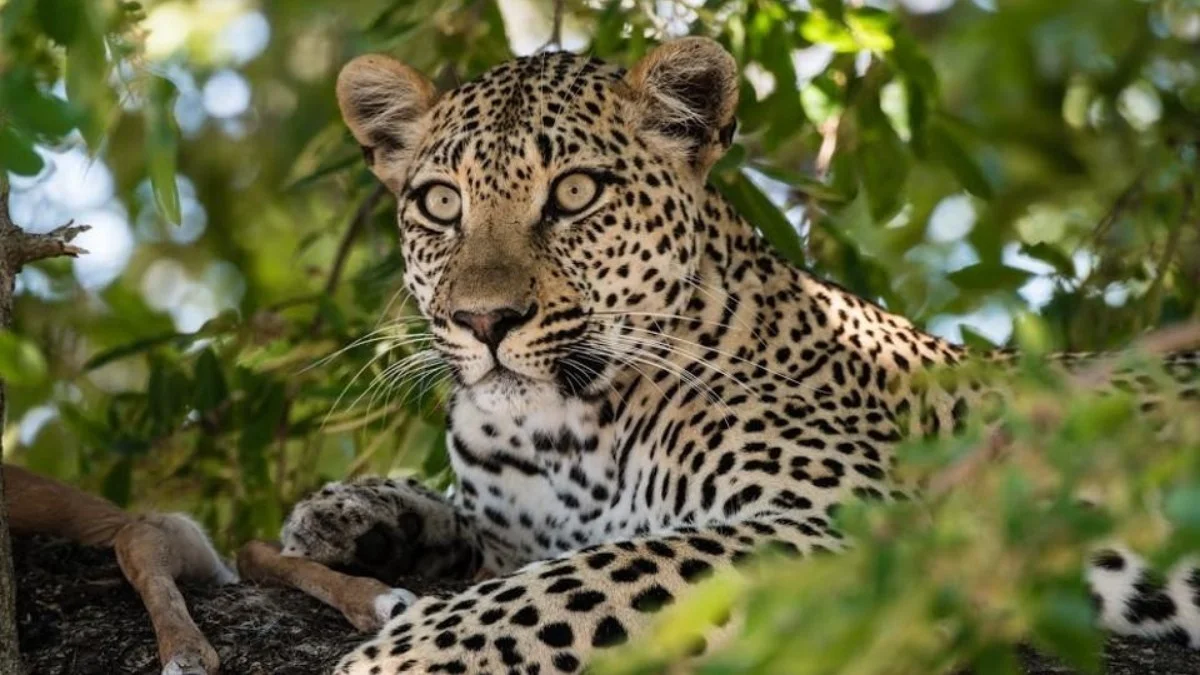
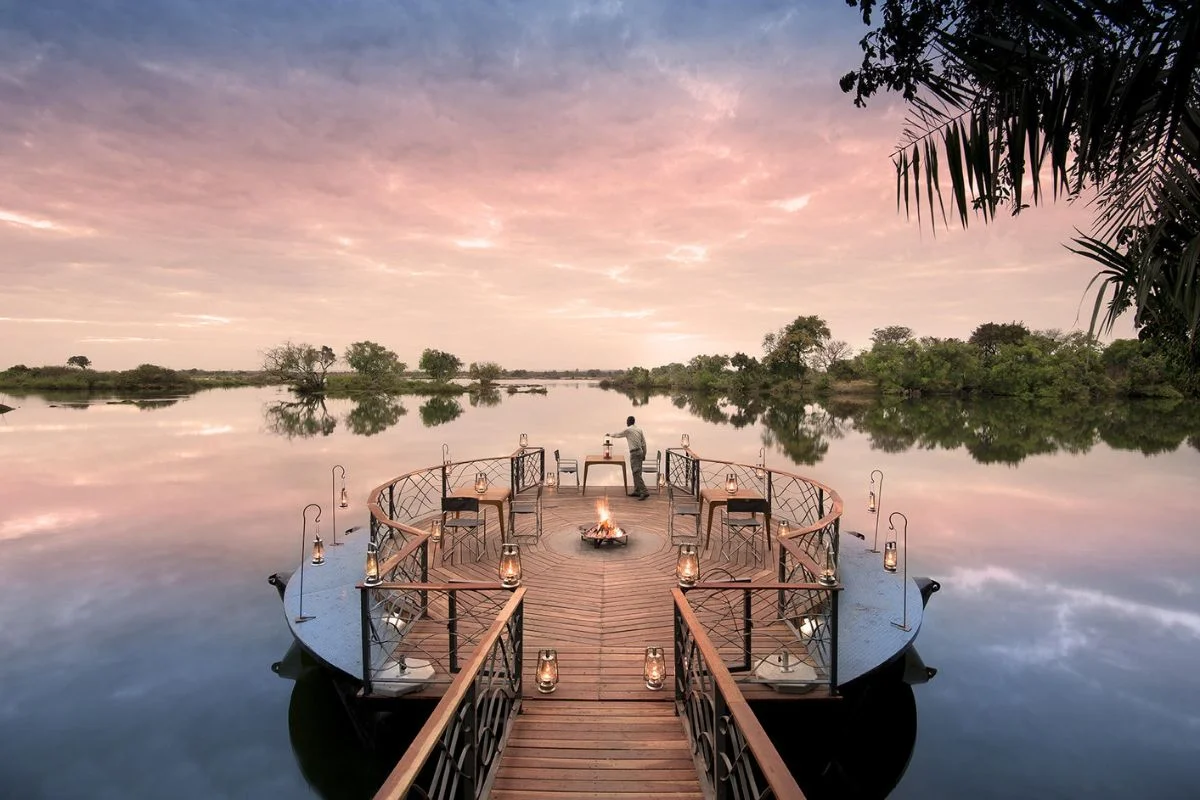
There is no place on earth where you can immerse yourself in nature like Africa. This is not one destination, it is a multi-faceted collection of unique moments, properties, attractions and people waiting to showcase their love of the mother continent.
Key takeaways
South Africa's Kruger Park is the most popular destination, and home to the iconic Big Five animals and exceptional accommodation, cuisine and service.
Kenya's Maasai Mara and Tanzania's Serengeti are most widely known for the Great Animal Migration boasting more than 2 million animals.
The dry season (April to October) provides the best game viewing across most Southern and East African destinations.
Safari lodges offer permanent structures while tented camps provide canvas accommodation, both at luxury standards with all-inclusive pricing.
Daily costs range from $400 per person per night at mid-tier lodges to $1,500-plus at exclusive private reserves.
Most safari stays include all meals, drinks, twice-daily game drives, guided walks and conservation fees in private reserves.
What our travellers say
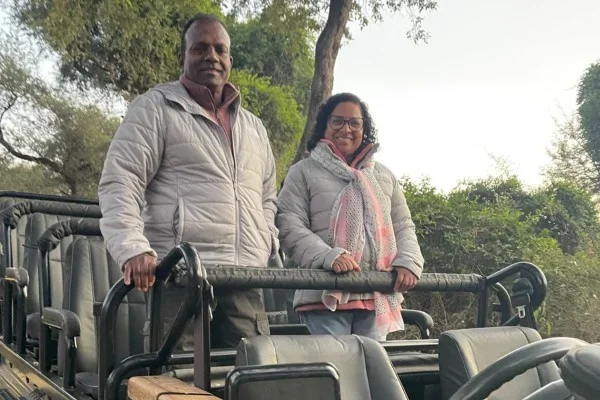
My husband and I would like to express our appreciation for the wonderful South Africa trip organized by Samantha Wilby. The entire experience was exceptional, and we thoroughly enjoyed every aspect of the journey. Prompt and excellent service at all times which exceeded our expectations! First and foremost, the itinerary crafted by Samantha was well-planned and covered a wide range of attractions and activities. One of the highlights of our trip was the African safari experience. It was our first time in the African continent. The thrilling safari rides and bush walks with experienced staff and traditional entertainment were unforgettable. Samantha’s attention to detail and personalized service truly stood out. She was readily available to answer any queries or concerns we had, ensuring that everything ran smoothly. Her knowledge about South Africa and its attractions was commendable, providing us with insightful information and recommendations. Overall, I cannot thank Samantha enough for organizing such a fantastic and memorable trip. The memories created during our time in South Africa will be cherished for a lifetime. We highly recommend leveraging Samantha's expertise to anyone planning a visit to South Africa.Show less
★★★★★ Senadheera's, California, USA
Frequently asked questions
What is a typical first time South Africa safari itinerary?
A common first timer itinerary combines a Kruger National Park safari with a private fully inclusive lodge stay in one of the adjacent Greater Kruger private reserves like Sabi Sand, then adds a visit to Cape Town. Many visitors spend 2 to 3 nights at a private, fully serviced lodge and either add another lodge in a different reserve or stay at a national park to do self-drives as well as one or two ranger guided game drives. Focus on 2 or 3 main areas renowned for abundant game viewing to best utilise your time.
How long should a first time safari in South Africa be?
For a first timer, a week on safari is quite sufficient to get a good wildlife experience. Most tours are 3 to 5 days because South Africa offers many other attractions beyond wildlife, and visitors often combine safari with Cape Town, the Garden Route, or cultural experiences. The shorter duration also reflects that some people want to try the wildlife aspect but aren't passionate enough for longer stays. You'll also want to allow time at the front end to recover from long flights before starting early morning and late afternoon game drives, so you're not jetlagged during your safari.
Is Botswana safari better than Masai Mara for a first time safari?
For a first-time safari, most experts recommend sticking with the most popular destinations like Masai Mara, as they are popular for a reason and offer phenomenal game viewing. The game viewing in both the Mara and Serengeti is exceptional, and Botswana is also magical. However, your first safari will likely be mind-blowing regardless of where you go. The choice really comes down to your budget and preferences. Botswana can be extremely expensive, with top-end private concessions costing over $4,000 USD per person per night in peak season, while Kenya is generally cheaper than Tanzania.
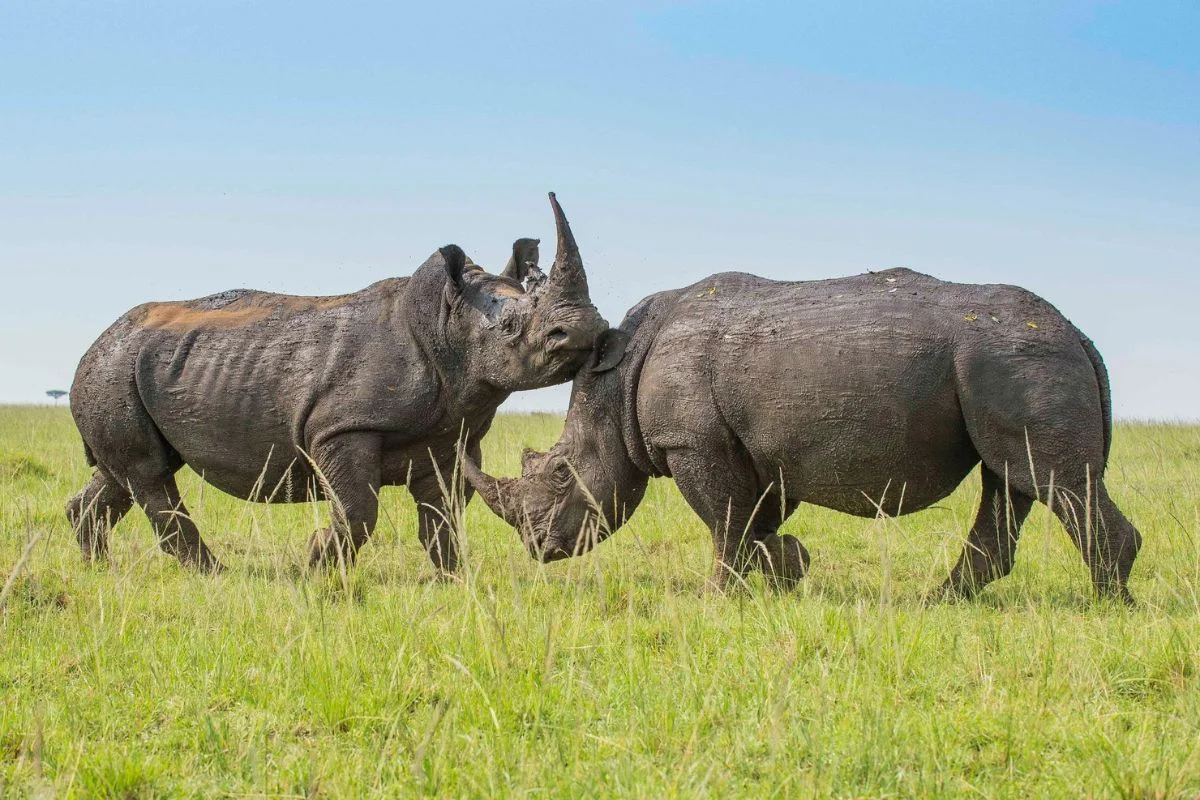
Best destinations for a first safari
South Africa, Kenya and Tanzania host the most established safari infrastructure and consistently deliver wildlife sightings suitable for first-time visitors.
South Africa's Greater Kruger area offers the highest probability of seeing the Big Five (lion, leopard, elephant, buffalo, rhino) in a single visit.
The park covers roughly 7,500 square miles of mixed woodland and savannah, with hundreds of mammal and bird species.
Private reserves adjoining Kruger, such as Sabi Sands and Timbavati, remove fences and allow off-road driving for closer wildlife encounters.
Kenya's Maasai Mara and Tanzania's Serengeti suit travellers whose mental picture of safari is wide-open plains and acacia trees.
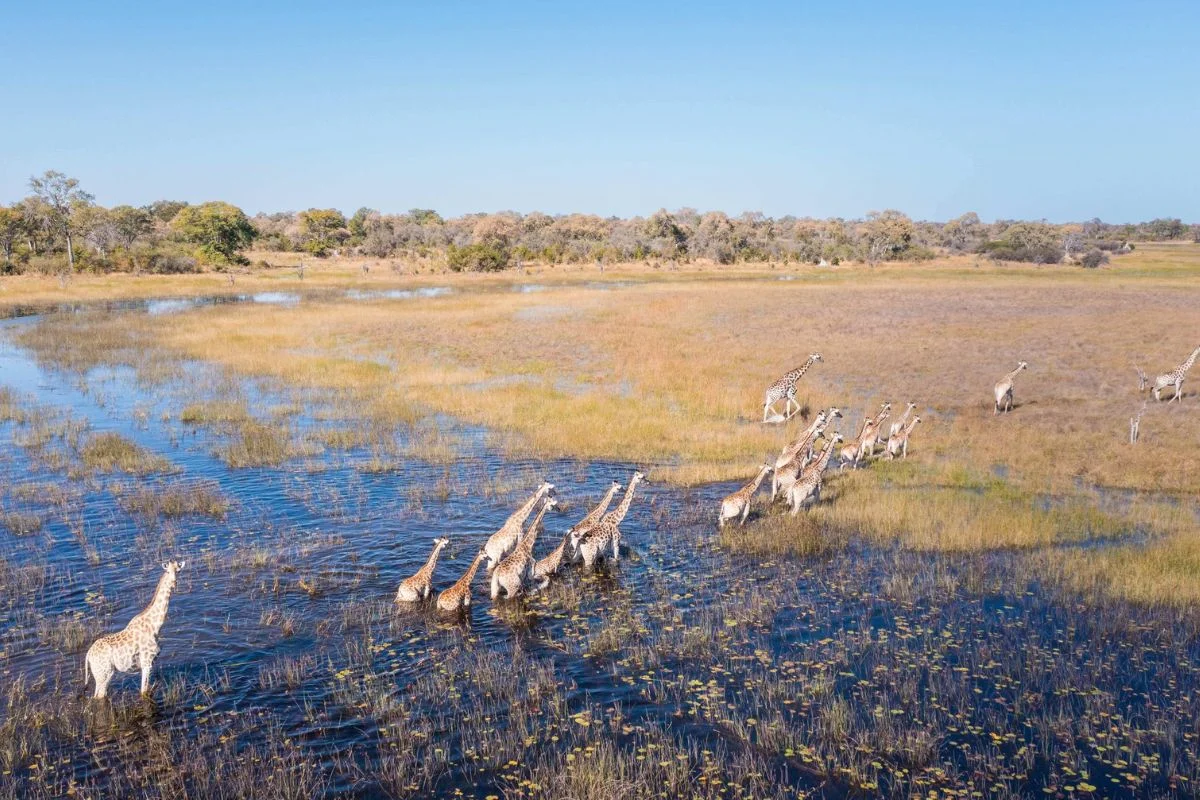
The Mara covers about 580 square miles; the Serengeti roughly 5,700 square miles. Both regions support year-round populations of lion, cheetah, elephant and giraffe.
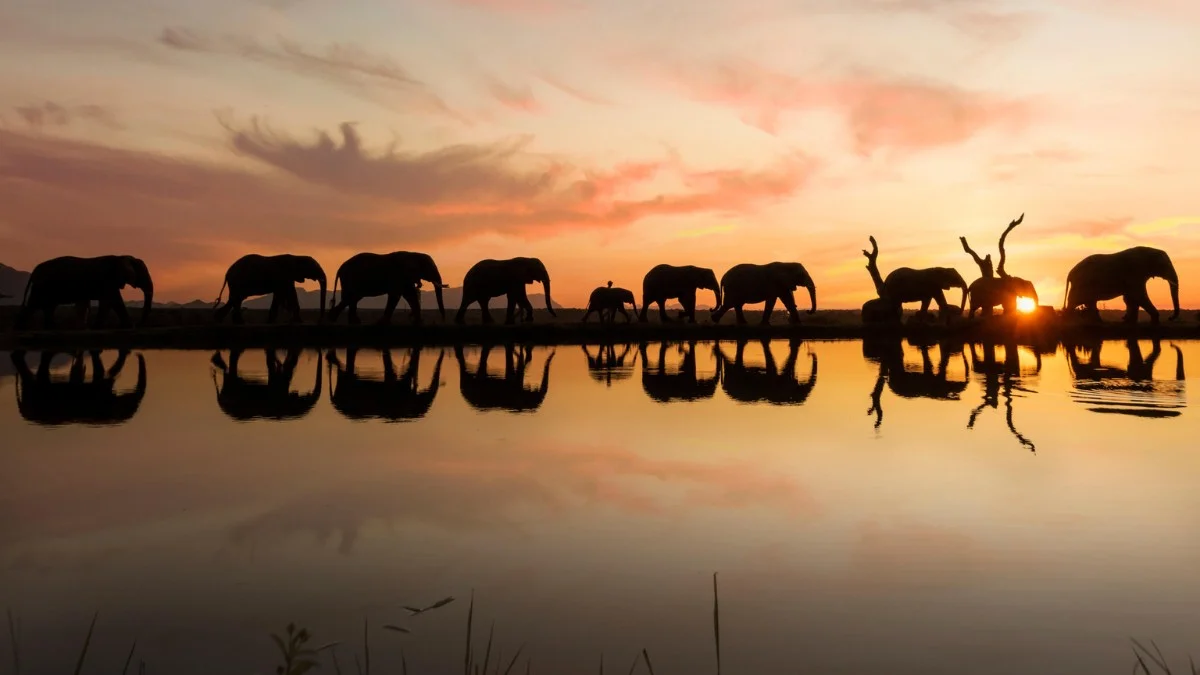
From late June through October, over a million wildebeest and several hundred thousand zebra cross between the two ecosystems in the annual Great Migration, one of the largest mammal movements on earth.
What if I am travelling with young children?
South Africa's Eastern Cape reserves (Addo Elephant National Park, private reserves near Port Elizabeth) and Kenya's Laikipia and Lewa regions are malaria-free and welcome children of all ages.
These areas maintain strong wildlife populations, including elephant, rhino and plains game, without requiring antimalarial medication. Many lodges in these regions offer dedicated family suites, child-minding services and junior ranger programmes tailored to children under 12.
What our travellers say

Sam, thank you for everything. The entire trip exceeded our expectations and we could not of dreamed of a more perfect honeymoon. Thank you for your attention to detail as well as the great planning. We are sad to be leaving but are taking home awesome memories and YES…. A few photographs as well.
★★★★★ The Lunds, California, USA
Common mistakes to avoid
Skipping travel insurance because 'nothing will go wrong'.
Why it happens: Clients feel invincible when booking a trip, and travel insurance seems like an unnecessary expense on top of already-high safari costs. Then someone gets sick, a family emergency happens, or a airline strike cancels their connection, and suddenly they're facing total loss because safari deposits are non-refundable and camps in remote areas don't do last-minute rebooking. We've seen clients lose entire trips over a twisted ankle two days before departure.
How to avoid it: Buy 'cancel for any reason' insurance the day you book, not the week before departure. It costs about 7% of your trip price and covers everything from illness to work emergencies to sudden wars. Make sure it includes emergency evacuation coverage, because medical flights out of the bush start at $25,000. This isn't optional. Safari is one of the few trips where insurance pays for itself if anything goes sideways.
Trusting online reviews from people who've done one safari.
Why it happens: Someone does their first safari, stays at a comfortable lodge with resident elephants at the waterhole, and writes a glowing review. They have no comparison point, so they don't know that the same lodge caters to large groups, offers basic guiding, and sits in a part of the park with low predator activity. First-time planners read those reviews and assume it's a top choice. We send clients there only when they specifically want easy, unchallenging safari, and we tell them that upfront.
How to avoid it: Ignore reviews that don't explain what the reviewer was comparing the lodge to, or that focus solely on comfort rather than wildlife sightings and guiding quality. Ask your operator which lodges they use for experienced safari-goers versus first-timers. The best camps don't always have the most reviews because they're smaller and don't chase volume. Trust specialists who know which properties match your level, not crowds who don't.
Choosing the cheapest lodge because 'you're only there to sleep'.
Why it happens: Budget-conscious clients assume all lodges inside a park boundary offer equal access to wildlife, so they book based on price. In reality, a camp's location within a park determines your entire experience. The cheap lodge outside Serengeti's Seronera region means you're driving 90 minutes before you even start your game drive, burning half your morning in transit while guests at the central camps are already watching a leopard kill.
How to avoid it: Ask your operator where the lodge sits in relation to the current wildlife concentrations, not just whether it's 'in the park'. Pay the extra $200 per night if it cuts two hours of daily driving. Location is the single biggest factor in how much you'll see, and saving money on accommodation is false economy if you're spending your game drives on empty roads.
Cramming five parks into ten days.
Why it happens: Clients see a map of Kenya or Tanzania, notice the parks are relatively close together, and assume they should visit as many as possible. What the map doesn't show is that 'close' in Africa means six hours of rough roads, or short flights that only operate on specific days, or back-and-forth routing that makes no logistical sense. We've watched clients arrive at their fifth camp exhausted, admitting they can't remember which park had the leopard.
How to avoid it: Pick two parks maximum for a week, three if you're staying ten days and they're on a logical route. Spend three nights minimum in each location. If you want to see different ecosystems, choose parks that offer contrast, like Botswana's Okavango Delta and Chobe, not four savanna parks that all look similar from the vehicle.
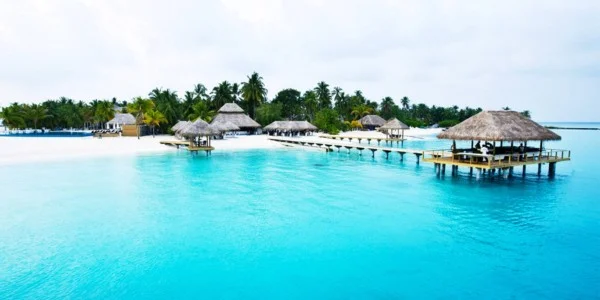
Seychelles Island Escape
Visit the jewel of the Indian Ocean with blue azure waters and white sandy beaches.
Plan My Safari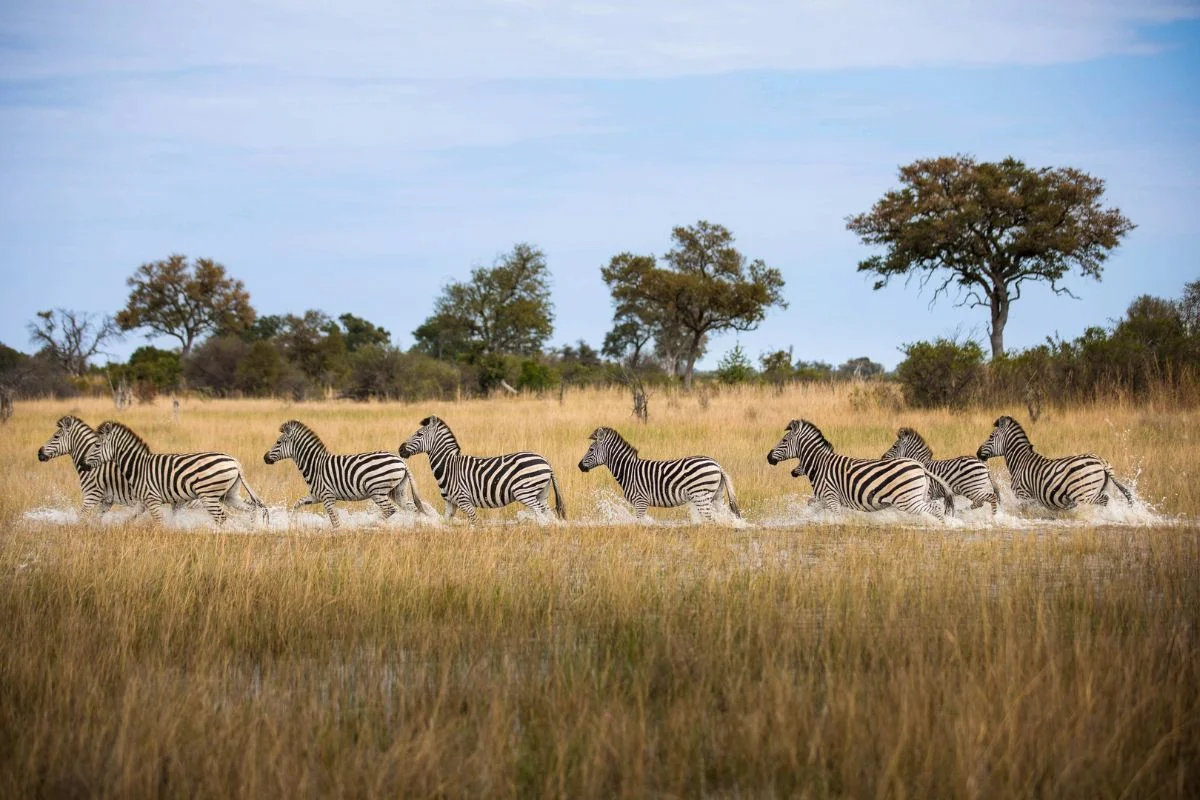
When to go on your first safari
The dry season from April through October delivers the best game viewing conditions across Southern and East Africa.
Animals concentrate around permanent water sources as temporary pans dry up, grass cover thins and visibility improves.
Daytime temperatures in South Africa's Kruger sit between 20°C and 28°C (68-82°F) from May to September.
Mornings can be cold, dropping to 5-10°C (41-50°F) at dawn in June and July.
In Kenya's Maasai Mara, the dry season runs June to October, peaking with the wildebeest migration river crossings from late July through September.
Tanzania's Serengeti follows a similar dry-season calendar.
The wildebeest calving season occurs in the southern Serengeti plains from late January through February, when hundreds of thousands of calves are born within a few weeks, attracting predators.
Peak season (July to September) brings higher lodge rates and more visitors.
Shoulder months (April, May, June, October) offer lower prices, fewer vehicles at sightings and still-excellent wildlife activity.
November through March is the wet season in most safari regions. Rain usually falls in short afternoon bursts rather than all-day downpours. Lodges drop rates by 20 to 40 per cent, and you will often have sightings to yourself, though some remote camps close entirely.
Kruger Park vs Serengeti
The choice hinges on accessibility versus wildlife spectacle. Kruger offers easier logistics and excellent game viewing, while Serengeti delivers the Great Migration and a more remote East African experience.
| What matters | Kruger Park | Serengeti |
|---|---|---|
| The Great Migration | Serengeti hosts the wildebeest migration, the greatest wildlife show on earth with river crossings and predator action. Kruger has no equivalent seasonal spectacle, though year-round game viewing remains superb. | |
| Access and Travel Time | Kruger sits three hours from Johannesburg by road, with easy self-drive options and direct scheduled flights. Serengeti requires light aircraft from Arusha or Kilimanjaro, adding complexity and cost to every. | |
| Malaria Risk | Kruger's southern and central sections are lower-risk malaria zones, manageable for families with young children. Serengeti is high-risk year-round, requiring prophylaxis for all guests without exception. | |
| Crowds and Exclusivity | Kruger's Sabi Sands offers true private reserves with off-road driving and no day visitors. Serengeti, even in premium areas, sees tourist minibuses and strict park rules limiting vehicle movements. | |
| Predator Concentrations | Serengeti holds more lions and cheetahs across vast plains, spectacular for big cat photography. Kruger counters with better leopard sightings and the densest wild dog populations we encounter anywhere in. | |
| Bush Experience Authenticity | Kruger feels more lived-in, with ranger stories rooted in Shangaan culture and accessible bush walks. Serengeti delivers that iconic East African vastness, the endless plains that match the safari of. | |
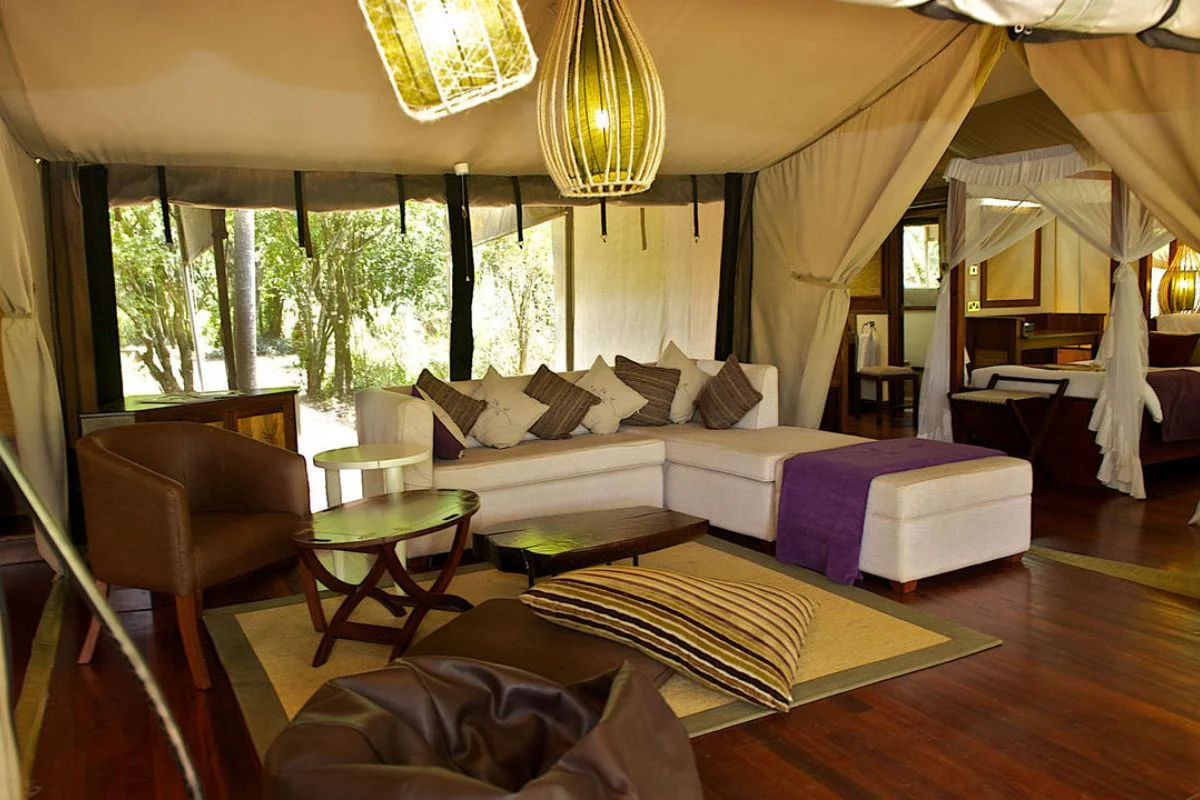
Lodge or tented camp
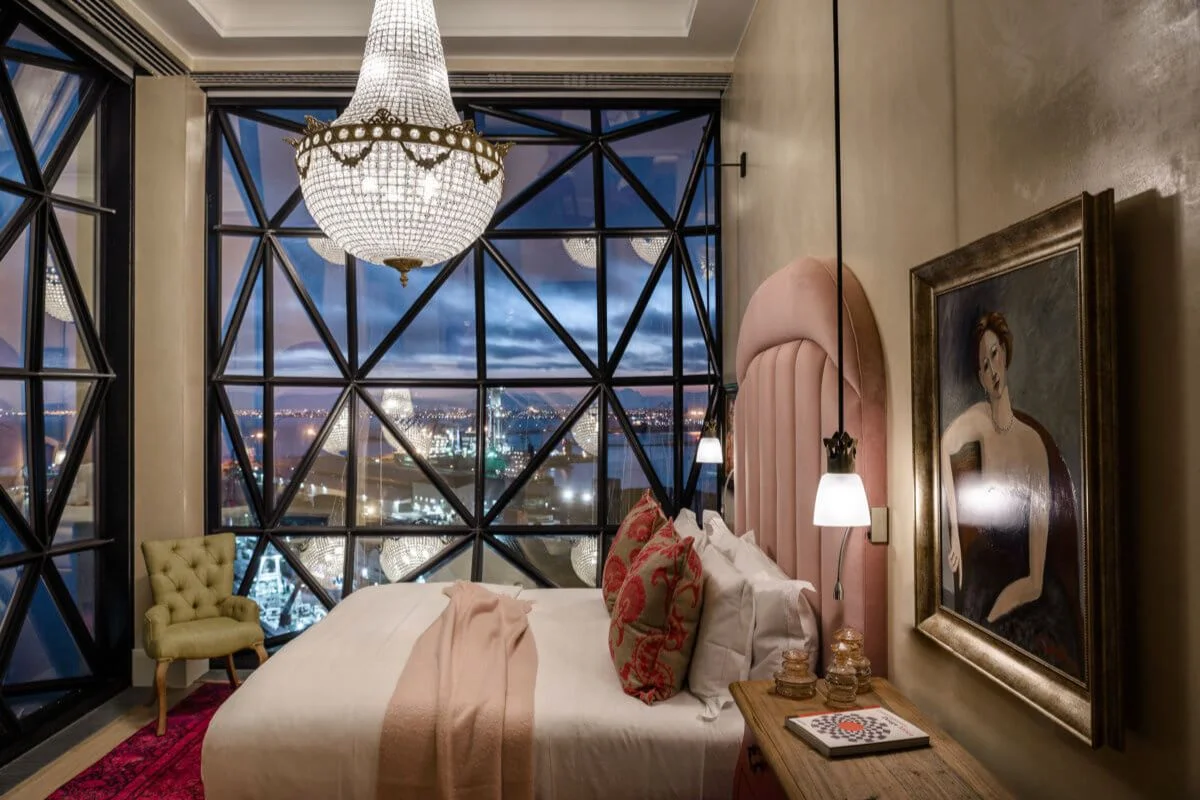
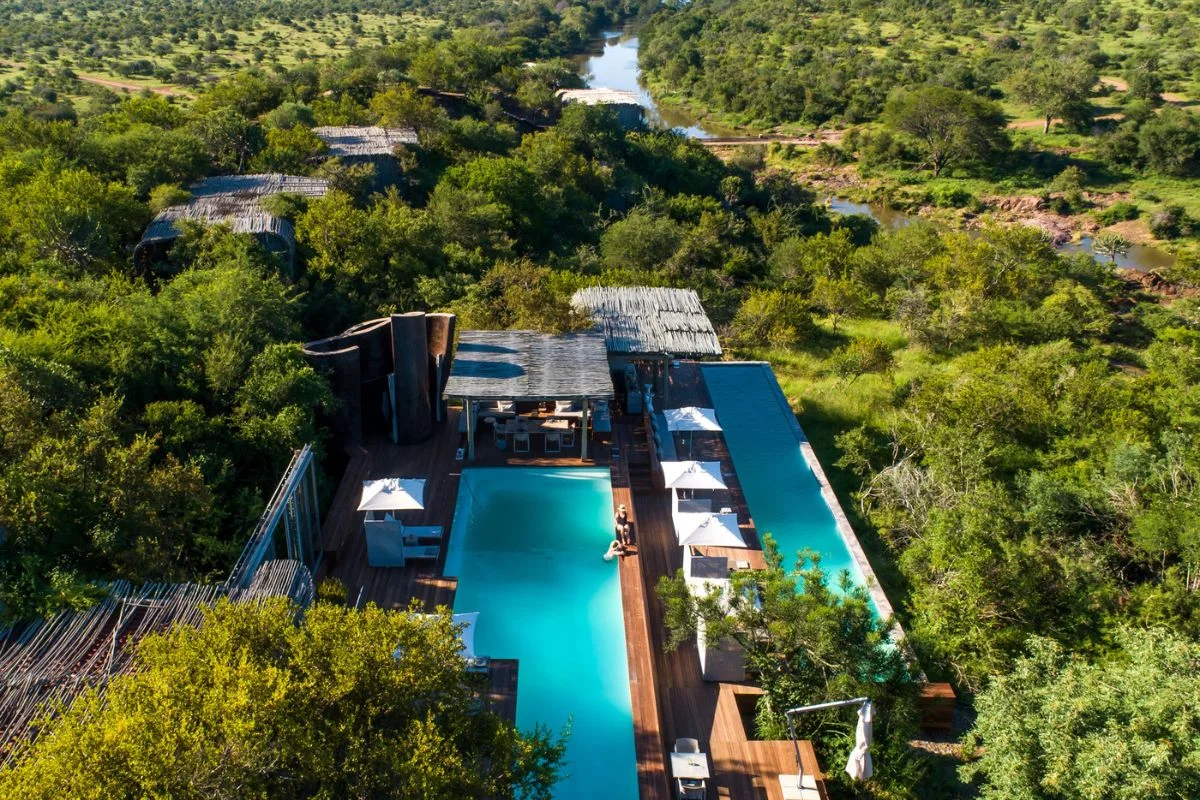
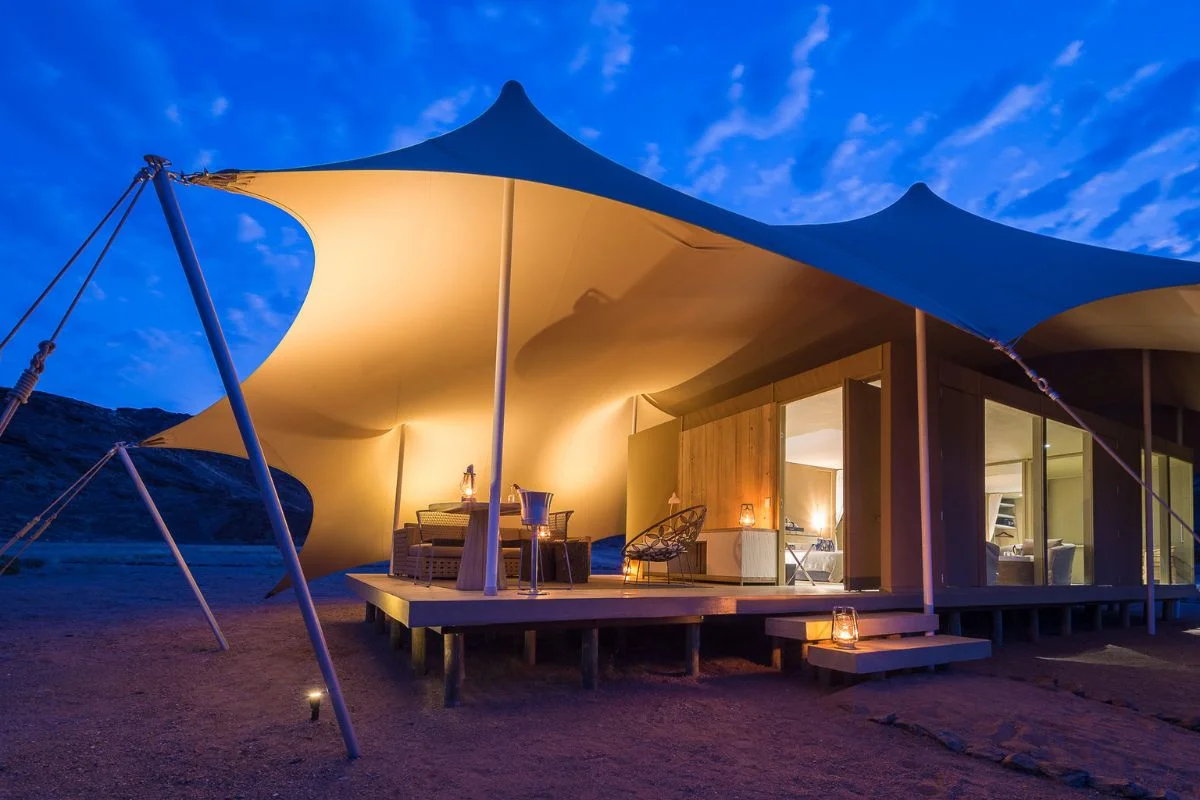
Safari lodges are permanent buildings constructed from brick, stone or timber. Rooms range from standard hotel-style suites to multi-room villas with private pools.
South Africa's private reserves tend toward lodge construction. Tented camps use canvas structures on permanent wooden or concrete platforms.
Tents vary from simple safari-style setups to large pavilions with king beds, en-suite bathrooms, indoor and outdoor showers and private decks.
Most luxury tented camps in the Masai Mara and Serengeti include electricity, hot water, Wi-Fi and full en-suite facilities.
Lodges feel more familiar if you prefer solid walls and the psychological comfort of permanent structures.
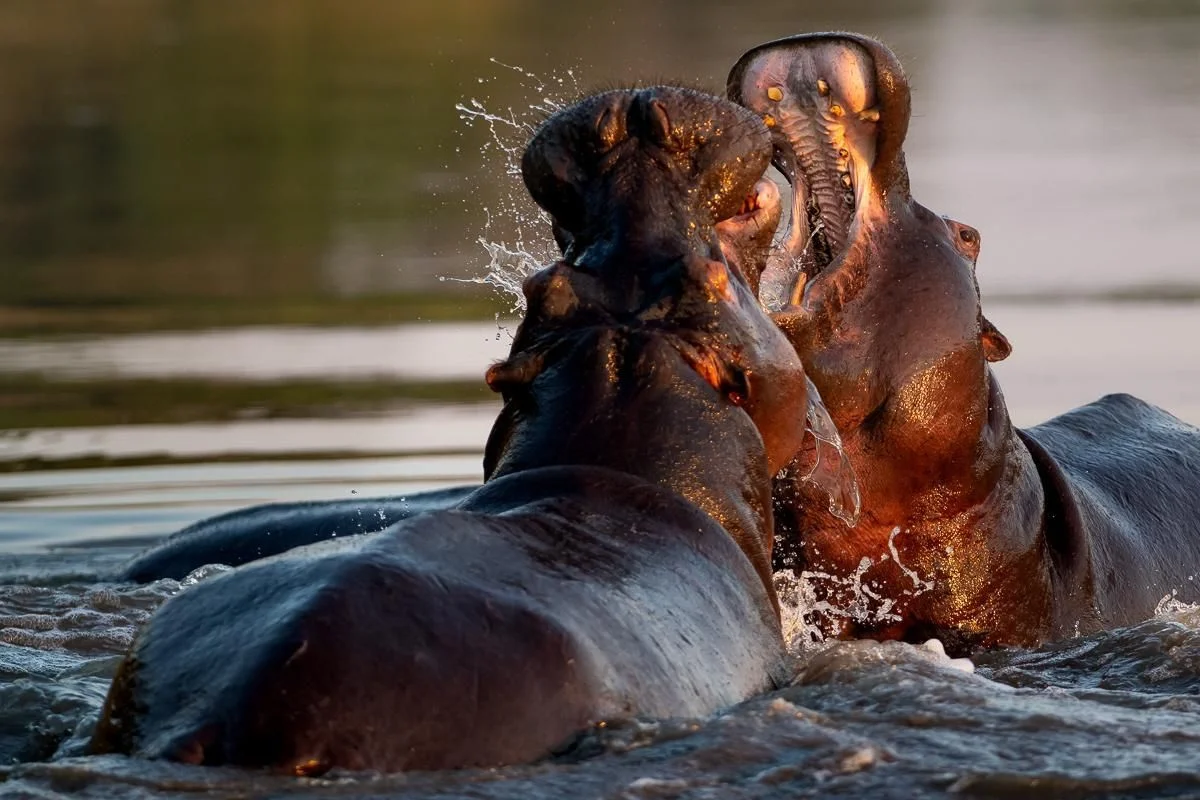
Tented camps place you closer to the sounds of the bush at night (lions calling, hyenas whooping, hippos grunting near water).
Both accommodation types operate at luxury standards. Your choice comes down to personal preference rather than comfort or amenities.
Are tented camps safe?
Yes. Luxury tented camps in established reserves employ full-time security, perimeter fencing or natural barriers, and trained staff who escort guests between tents and communal areas after dark.
Canvas walls do not stop large animals, but wildlife rarely approaches occupied tents. Camps are positioned away from known animal pathways, and night-time protocols (staying inside your tent, using a radio or whistle to call staff if needed) are explained during arrival briefings.
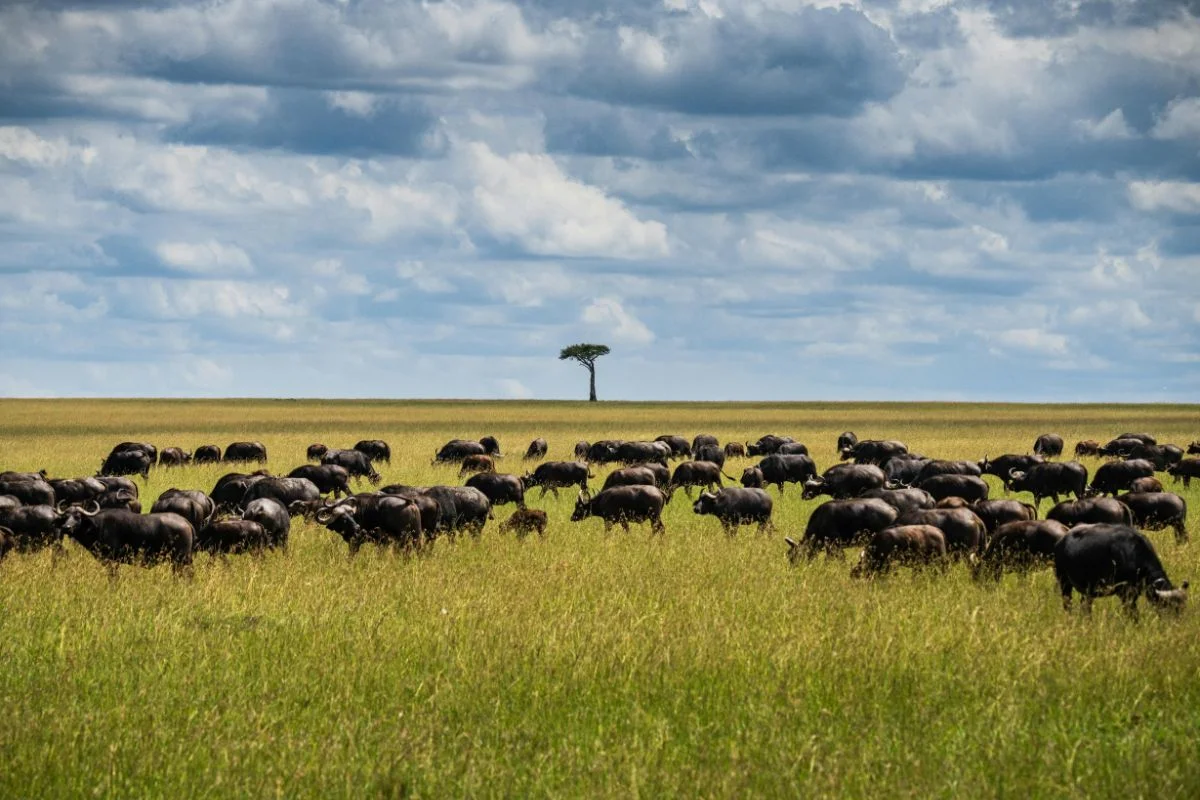
What is included in the price
Most safari lodges and camps operate on a fully inclusive basis. Your nightly rate covers accommodation, all meals (breakfast, lunch, dinner), snacks, most drinks (house wines, beers, spirits, soft drinks), twice-daily game drives (early morning and late afternoon), guided bush walks where offered, and conservation or park entry fees.
Premium wines, champagne and imported spirits may attract a surcharge at some properties.
Gratuities for guides, trackers and lodge staff are not included and are typically given at the end of your stay.
Mid-tier lodges inside national parks charge $400 to $700 per person per night sharing.
Luxury private-reserve lodges range from $800 to $1,500. Ultra-luxury properties (Singita, andBeyond top-tier camps, exclusive-use villas) exceed $1,500 per person per night.
Multi-night stays (three to four nights minimum) allow time to settle into the rhythm of safari, cover different sections of a reserve and increase your chances of varied sightings.
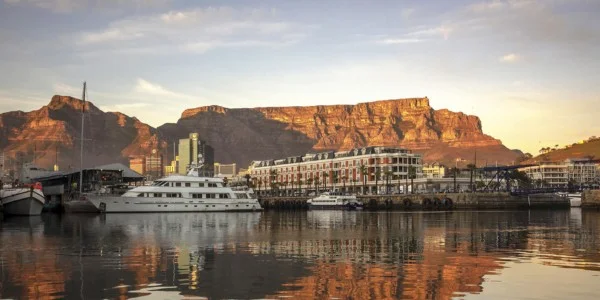
Visit Cape Town
Visit the number one rated city in the world with 8 blue flag beaches, swimming with penguins and so much more
Plan My SafariDaily routine on safari
Your day begins before sunrise, usually around 5:30 or 6:00 a.m., with wake-up tea or coffee delivered to your room.
The early-morning game drive departs by 6:00 to 6:30 a.m. and lasts three to four hours.
Guides stop mid-drive for coffee and rusks (a South African biscuit) in the bush.
You return to the lodge around 10:00 a.m. for a full breakfast.
Midday hours (11:00 a.m. to 3:00 p.m.) are downtime.
Animals rest in shade during the heat. You can nap, swim, read, have a spa treatment or sit on your deck watching birds and smaller wildlife near the lodge.
Lunch is served around 1:00 p.m. The afternoon game drive departs between 3:30 and 4:00 p.m., stopping for sundowner drinks and snacks as the sun sets.
You return to the lodge after dark (around 7:00 or 7:30 p.m.) using spotlights to look for nocturnal species: leopards, hyenas, genets, bush babies.
Dinner is served around 8:00 p.m., often multiple courses around a fire or under the stars.
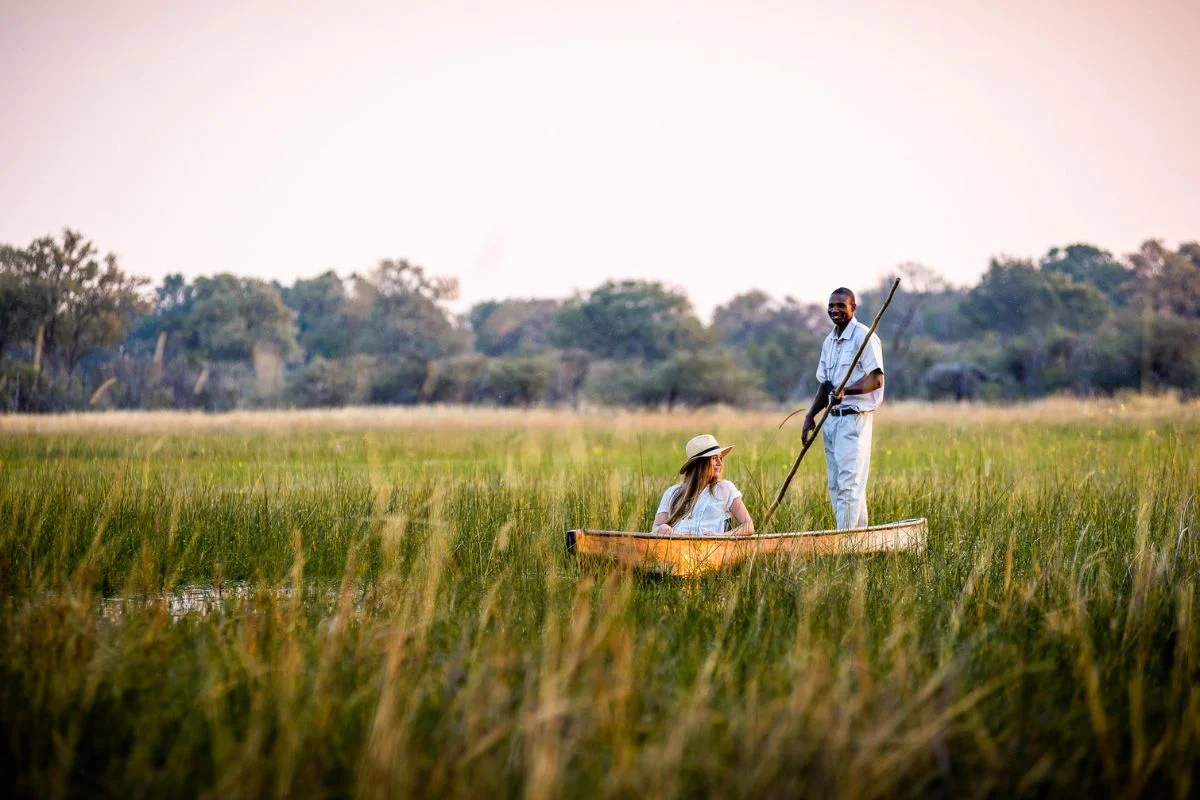
What to wear for your first safari
Bring neutral-coloured clothing (khaki, olive, brown, beige) that layers easily.
Mornings and evenings can be 15-20°C (27-36°F) cooler than midday.
Pack long trousers and a fleece or light jacket for early drives. Lightweight long-sleeved shirts protect from sun and insects. A wide-brimmed hat, sunglasses and sunscreen (SPF 30 or higher) are essential. Comfortable closed-toe shoes or lightweight hiking boots work for game drives and bush walks. Binoculars (8x32 or 10x42 magnification) significantly improve your viewing experience.
Most airlines impose strict luggage limits on small charter planes between camps: typically 15 kg (33 lbs) per person in soft-sided bags. Camera gear, medication and travel documents go in your carry-on.
Lodges offer daily laundry service, so you can pack fewer clothes and re-wear items. Insect repellent (DEET-based, 20-30 per cent concentration), antimalarial medication (if required for your destination) and any prescription drugs belong in your kit. A headlamp or small torch is useful for navigating your tent or lodge room at night.
For more information see our What to Wear on Safari guide.
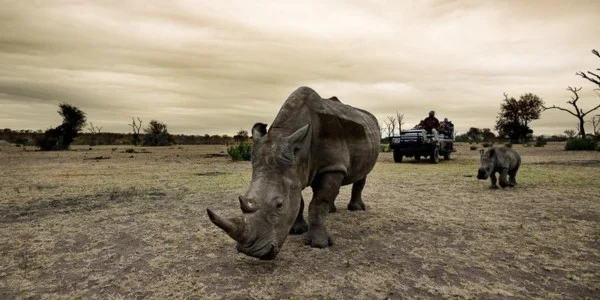
Health precautions and vaccinations
No vaccinations are legally required for entry into South Africa, Kenya or Tanzania if you are arriving from Europe, North America, Australia or New Zealand.
Yellow fever vaccination is mandatory only if you are arriving from or transiting through a yellow-fever-endemic country (parts of Central and West Africa, South America).
Hepatitis A, typhoid and routine vaccinations (tetanus, diphtheria, measles, mumps, rubella) are recommended by most travel-health clinics but not compulsory.
Malaria is present in most safari regions, including Kruger's lowveld, the Maasai Mara and the Serengeti. Doctors typically prescribe atovaquone-proguanil (Malarone), doxycycline or mefloquine for prevention.
You start the course before travel, continue daily during your stay and finish the course after leaving the malaria zone (timing depends on the specific drug).
South Africa's Eastern Cape reserves, Madikwe Game Reserve and Waterberg region are malaria-free. Kenya's Laikipia and Lewa Conservancy sit at high altitude (above 1,500 metres) where malaria risk is minimal.
Do I need travel insurance for a safari?
It’s recommended.
Comprehensive travel insurance covering medical evacuation is strongly recommended. Many safari destinations are hours from advanced medical facilities.
Evacuation by air ambulance from a remote camp to Nairobi, Johannesburg or Cape Town costs $10,000 to $30,000 if not covered by insurance. Policies should also cover trip cancellation, lost luggage and missed connections, as charter flights and inter-camp transfers operate on tight schedules with limited rebooking options.
Kruger / Sabi Sand — best time to visit
| J | F | M | A | M | J | J | A | S | O | N | D | |
|---|---|---|---|---|---|---|---|---|---|---|---|---|
| High °C | 32° | 31° | 30° | 28° | 26° | 24° | 24° | 26° | 28° | 29° | 30° | 31° |
| High °F | 90° | 88° | 86° | 82° | 79° | 75° | 75° | 79° | 82° | 84° | 86° | 88° |
| Rain mm | 110 | 95 | 75 | 35 | 15 | 10 | 5 | 10 | 25 | 55 | 85 | 105 |
| Rating |
Kruger / Sabi Sand: Dry winter (May–Sep) gives the best game viewing; summer is lush but wet.
Ideal — Peak conditions — dry, comfortable, prime wildlife or beach time.
Good — Great conditions with brief showers or warmer days; still highly recommended.
Shoulder — Mixed weather — fewer crowds and lower rates, occasional rain.
Avoid — Heaviest rain or roughest seas; many camps and roads can be affected.
Booking your first safari
Our safari specialists handle all logistics including designing the best itinerary based on your budget and time of travel, check special offers not available to the public and then handle your entire trip during your stay, seamlessly for you in the background.
Booking lead times vary by destination and season.
Peak-season (July to September) stays at top-tier lodges often require reservations six to twelve months ahead. Shoulder and low-season availability can appear within a few months of travel.
Most operators ask for a deposit (30 per cent of the total trip cost) for booking confirmation, with the balance due 60 days prior to departure.
Cancellation policies vary by lodge and season. Tailor-made itineraries are built around your travel dates, budget, wildlife priorities (Big Five, migration, birdwatching, photography) and preferred activity mix (game drives only, or including walking safaris, boat safaris, cultural visits).
Last updated: September 2026