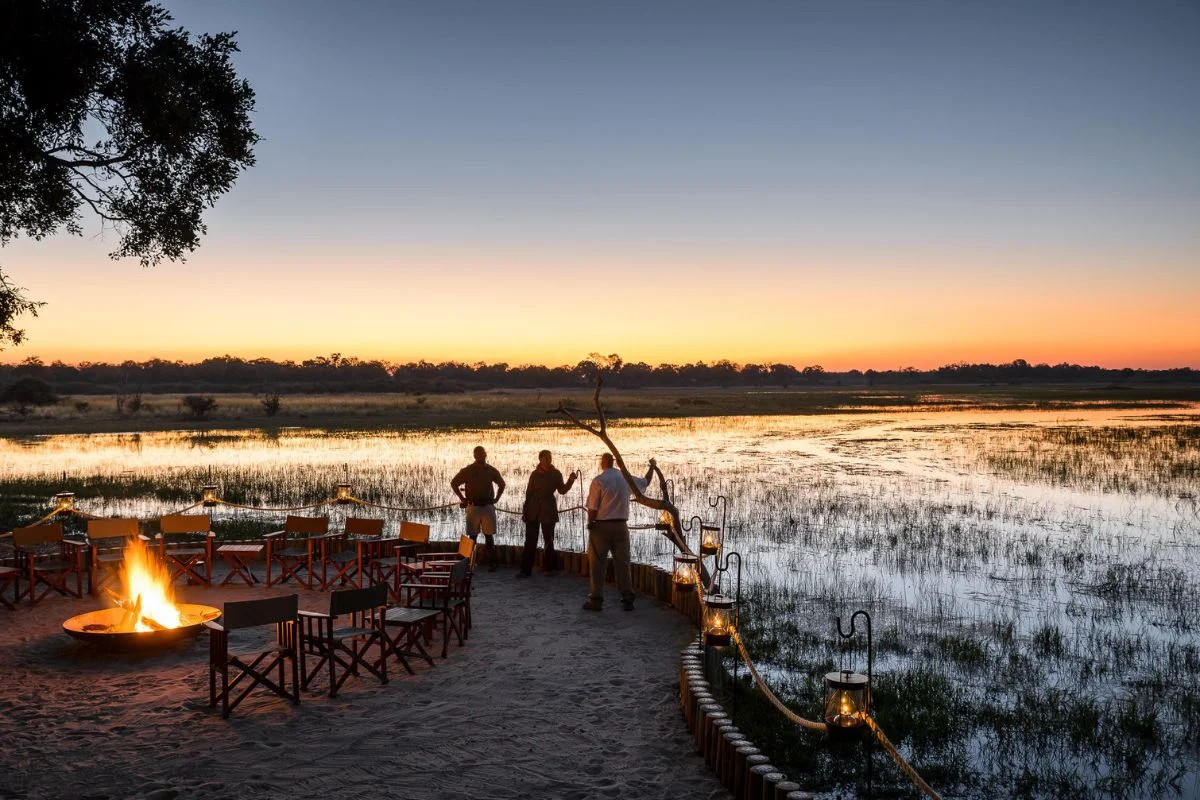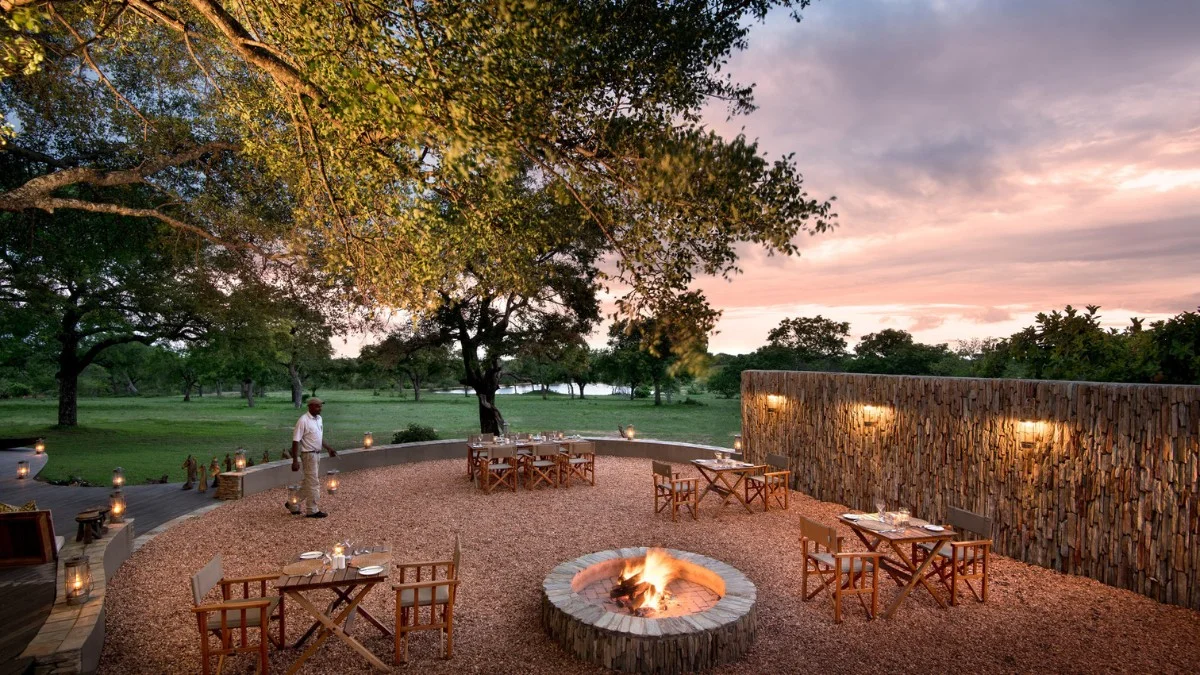

When should I book an African safari for August?
Book at least six to nine months ahead as August is peak season in East Africa due to the Migration River crossing, and busy in Southern Africa due to US holidays.
Best for
Dry season game viewing
Peak wildlife concentrations
Temperature range
15-28°C depending on region
Cool nights, warm days
Season status
High season across most countries
Highest rates apply
Rainfall
Rare to none
Clear skies, sharp light
Kenya vs Tanzania
Kenya offers easier access and year-round game viewing, while Tanzania delivers fewer vehicles and a wilder feel. We find Kenya suits first-timers wanting convenience, Tanzania rewards those seeking solitude.
| What matters | Kenya | Tanzania |
|---|---|---|
| The Great Migration | Kenya hosts the dramatic river crossings from July to October, when millions of wildebeest plunge into the Mara River. Tanzania holds the calving season in February, plus the migration for. | |
| Crowds and Vehicle Numbers | Kenya allows unlimited vehicles at sightings in the Mara reserves, creating congestion at key moments. Tanzania enforces strict vehicle limits in the Serengeti and Ngorongoro, though private concessions in both. | |
| Beach Extensions | Kenya offers direct flights to Diani Beach, a solid Indian Ocean option 90 minutes from the Mara. Tanzania combines with Zanzibar, a more romantic island with Stone Town culture, but. | |
Why August is peak safari season
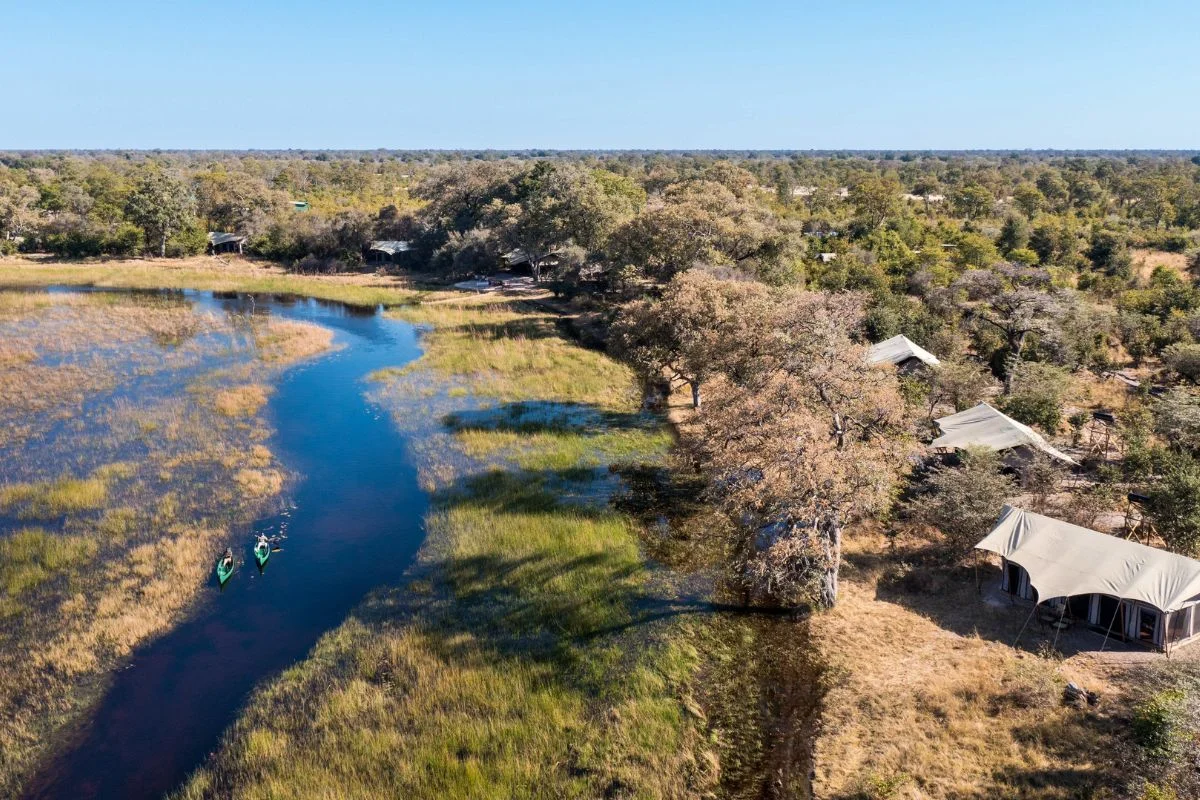
Apart from holidays in the US, August sits in the middle of the dry season for most safari destinations in Southern and East Africa. Vegetation thins out, water sources shrink, and wildlife congregates around remaining rivers and waterholes, making for perfect viewing conditions.
Predators follow prey to water, improving sighting odds for lion, leopard and cheetah.
Temperatures are moderate compared to summer months. Days are warm but not scorching, typically 20-28°C depending on region.
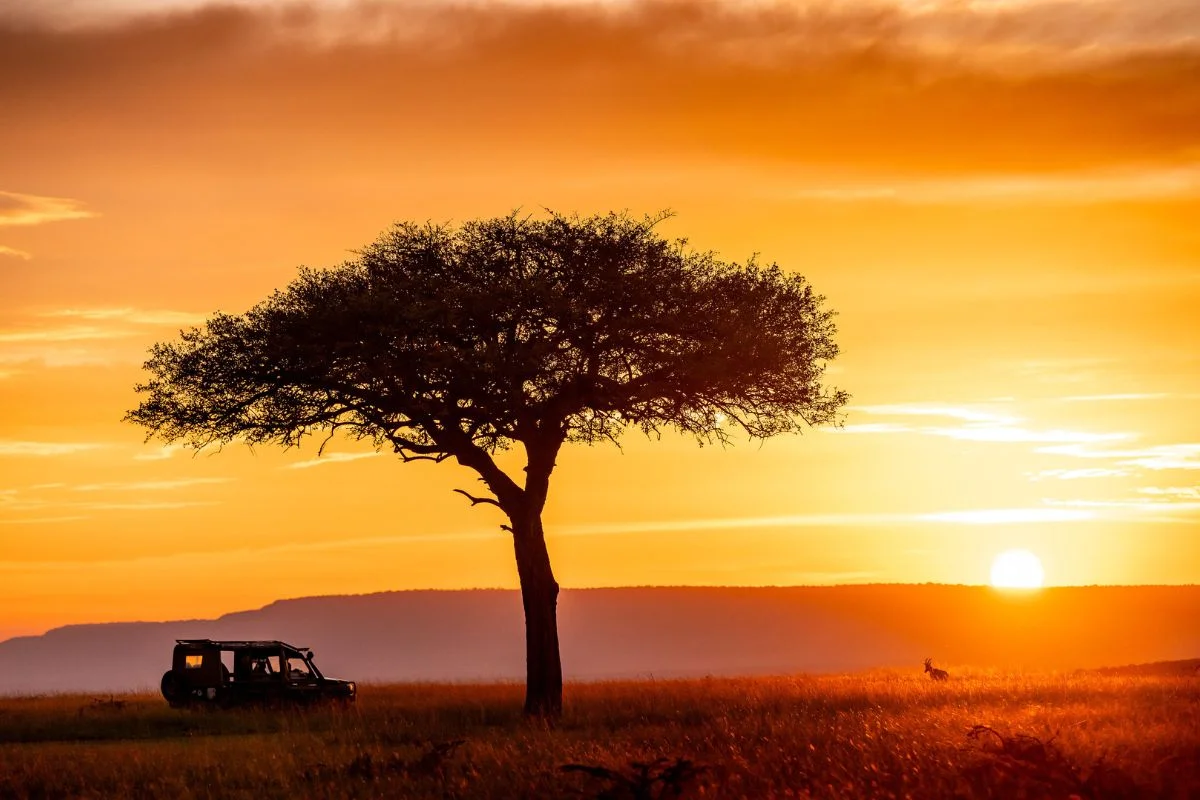
Nights can be cool, especially in higher-altitude areas like Namibia and South Africa's Highveld. Rain is rare. Skies stay clear, offering sharp early-morning light and vivid red-dust sunsets.
Is August considered high season for African safaris?
Yes. August coincides with northern hemisphere summer holidays, driving high demand. Lodges fill quickly, especially in Botswana, South Africa's private reserves, and Tanzania's Serengeti. Rates are at their highest.
If you're planning an August safari, it’s advisable to book in advance to avoid disappointment as accommodation at the leading properties fills fast. September offers similar conditions with slightly lower demand and prices.
1. Namibia
Namibia in August is ideal for self-drive safaris. The country's desert landscapes and mountain routes are accessible in dry conditions, and daytime temperatures drop from their summer extremes to around 25°C. Nights are cold, often near freezing in the desert, so pack layers.
Two regions shine in August: Sossusvlei and Damaraland.
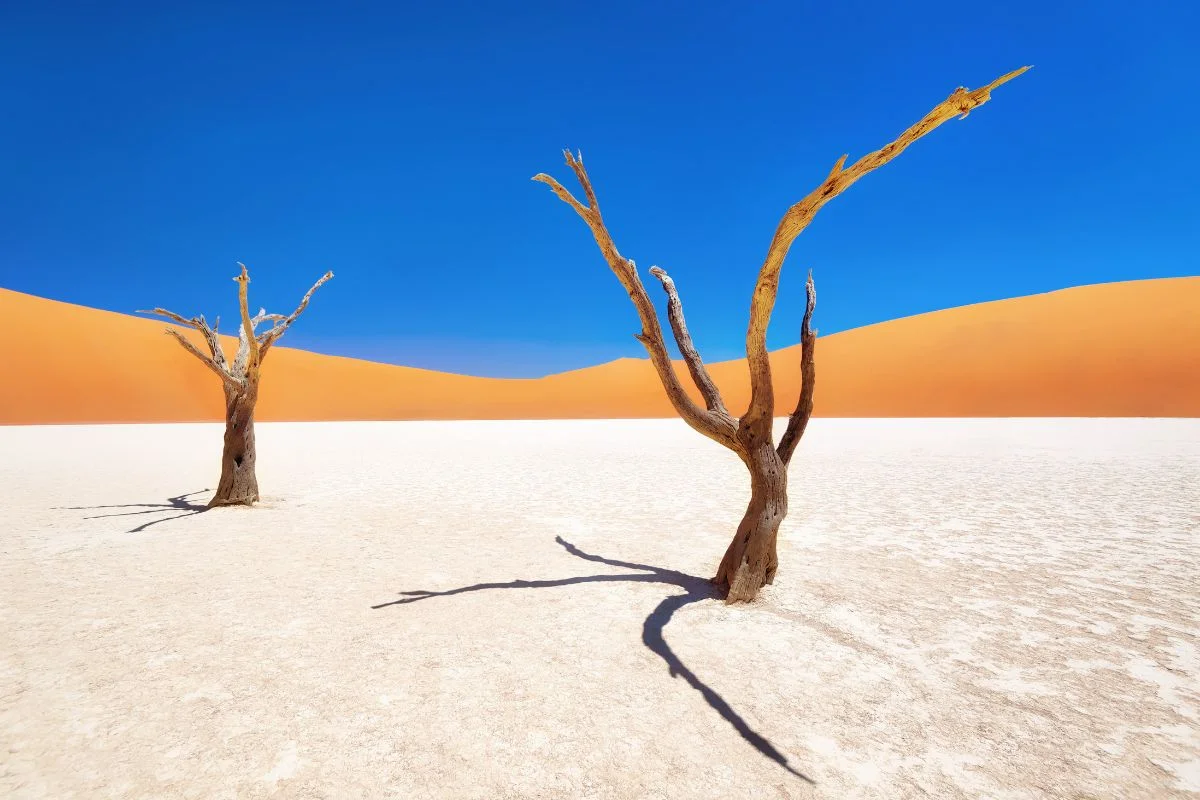
Sossusvlei's towering red dunes, including Big Daddy and Dune 45, are best photographed in the crisp, clear light of August mornings. Deadvlei's ancient dead trees against white clay pans create dramatic compositions.
Damaraland, further north, is a semi-desert wilderness where desert-adapted elephant, black rhino, giraffe and oryx roam open plains and granite hills.
Namibia sees almost no rain in August. Roads are in good condition. Wildlife viewing in Etosha National Park, though not as concentrated as in September or October, is still productive around the park's waterholes.
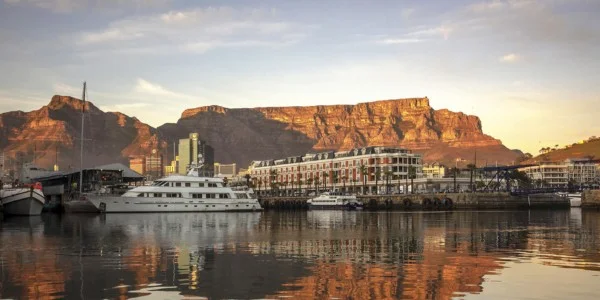
Visit Cape Town
Visit the number one rated city in the world with 8 blue flag beaches, swimming with penguins and so much more
Plan My Safari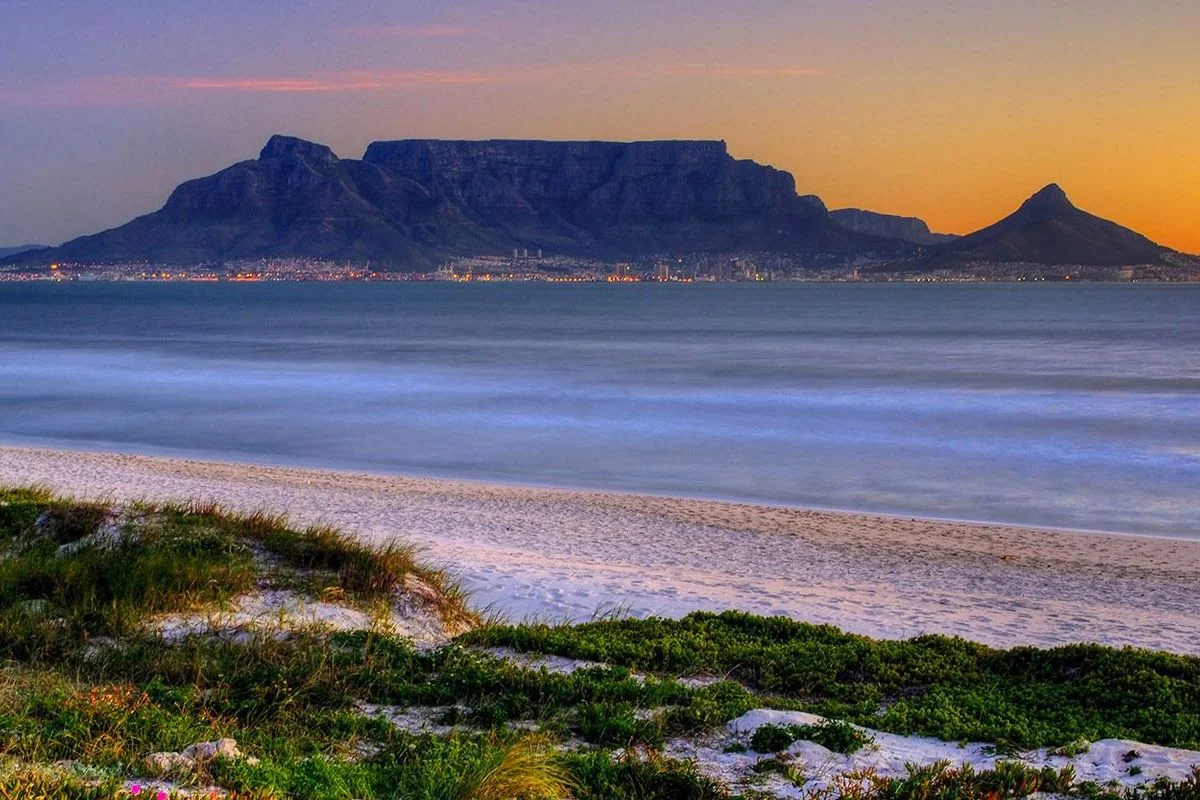
2. South Africa
South Africa offers two distinct experiences in August: whale watching along the Cape Whale Coast and classic Big Five safari in Kruger National Park. Both are at their best this month.
Cape Whale Coast
Southern right whales return from Antarctic feeding grounds to the warmer Atlantic waters off South Africa's western coast to breed and calve. Walker Bay near Hermanus is the prime viewing area.
You can spot whales from shore at cliff-top viewpoints, or take boat trips for closer encounters. August marks the start of the season; activity peaks from September through November. Crowds are lighter in August before the spring rush.
Kruger National Park
The Kruger National Park is in late winter during August. Days are mild, 18-24°C, and nights are cool. The dry season is well established; grass is low, leaves have thinned, and animals cluster around rivers like the Sabie, Sand and Olifants.
Game drives yield frequent lion, elephant, buffalo, leopard and rhino sightings. Malaria risk is lower in the cooler, drier months. Private reserves adjoining Kruger, including Sabi Sand and Timbavati, offer the same conditions with exclusive traversing rights and luxury lodges.
Travel costs in South Africa
Expect $250 to $2,500 per person per night. South Africa offers exceptional luxury value compared to East African safari destinations.
| Tier | Per person / night | What you get |
|---|---|---|
| Standard Luxury | $250 - $700 | Established private reserves with quality game viewing, comfortable lodges, twice daily drives, and excellent service standards. |
| Premium Luxury | $700 - $1,200 | Premier Sabi Sand or private concessions, contemporary design, exclusive wildlife encounters, spa facilities, fine dining experiences. |
| Ultra-Luxury | $1,200 - $2,500 | Iconic flagship properties, private plunge pools, butler service, exclusive use options, exceptional wine cellars, unmatched refinement. |
Kruger / Sabi Sand — best time to visit
| J | F | M | A | M | J | J | A | S | O | N | D | |
|---|---|---|---|---|---|---|---|---|---|---|---|---|
| High °C | 32° | 31° | 30° | 28° | 26° | 24° | 24° | 26° | 28° | 29° | 30° | 31° |
| High °F | 90° | 88° | 86° | 82° | 79° | 75° | 75° | 79° | 82° | 84° | 86° | 88° |
| Rain mm | 110 | 95 | 75 | 35 | 15 | 10 | 5 | 10 | 25 | 55 | 85 | 105 |
| Rating |
Kruger / Sabi Sand: Dry winter (May–Sep) gives the best game viewing; summer is lush but wet.
Ideal — Peak conditions — dry, comfortable, prime wildlife or beach time.
Good — Great conditions with brief showers or warmer days; still highly recommended.
Shoulder — Mixed weather — fewer crowds and lower rates, occasional rain.
Avoid — Heaviest rain or roughest seas; many camps and roads can be affected.
3. Zambia
Zambia's South Luangwa National Park is one of Africa's top walking safari destinations and August is prime time.
The Luangwa River and its oxbow lagoons concentrate hippo, elephant, buffalo, lion, leopard and wild dog.
Carmine bee-eaters nest in the riverbanks; their vibrant red plumage is a highlight for photographers. Thornicroft's giraffe, endemic to the valley, are regularly seen.
Lower Zambezi National Park, on the opposite side of the country, offers canoe safaris along the Zambezi River.
August is dry and pleasant, around 25-30°C during the day. Elephant herds cross between islands, and crocodile and hippo are abundant. Both parks see fewer visitors than the Serengeti or Kruger, offering a quieter, more intimate safari experience.
Travel costs in Victoria Falls
Zambia
Victoria Falls, Zambia lodges run $350 to $2,500 per person per night, fully inclusive. Zambian side offers fewer crowds and direct river access.
| Tier | Per person / night | What you get |
|---|---|---|
| Standard Luxury | $350 - $500 | Established lodges with river views, guided Falls visits, sunset cruises, and standard game drives in Mosi-oa-Tunya National Park. |
| Premium Luxury | $550 - $850 | Private plunge pools, exclusive river islands, premium walking safaris, microlight flights, and elevated cuisine with sommelier-selected wines. |
| Ultra-Luxury | $900 - $2,500 | Private villas, personal guides, helicopter transfers, bespoke excursions including Livingstone Island lunches, and dedicated safari vehicles. |
4. Zimbabwe
Zimbabwe's two flagship parks, Hwange and Mana Pools, are both excellent in August.
Hwange, near the Botswana border, is famous for enormous elephant herds that gather around artificial waterholes pumped by lodges and parks staff. Lion prides follow the herds. Painted wolves (African wild dogs) are regularly sighted, especially around the Linkwasha and Dete areas.
Mana Pools National Park, a UNESCO World Heritage Site, sits on the Zambezi floodplain. The park allows walking safaris and canoe trips.
August is dry; the Zambezi is low, and animals come to the river to drink. Elephants wade into the water, and predators patrol the banks. Temperatures are warm, 25-30°C, but not oppressive.
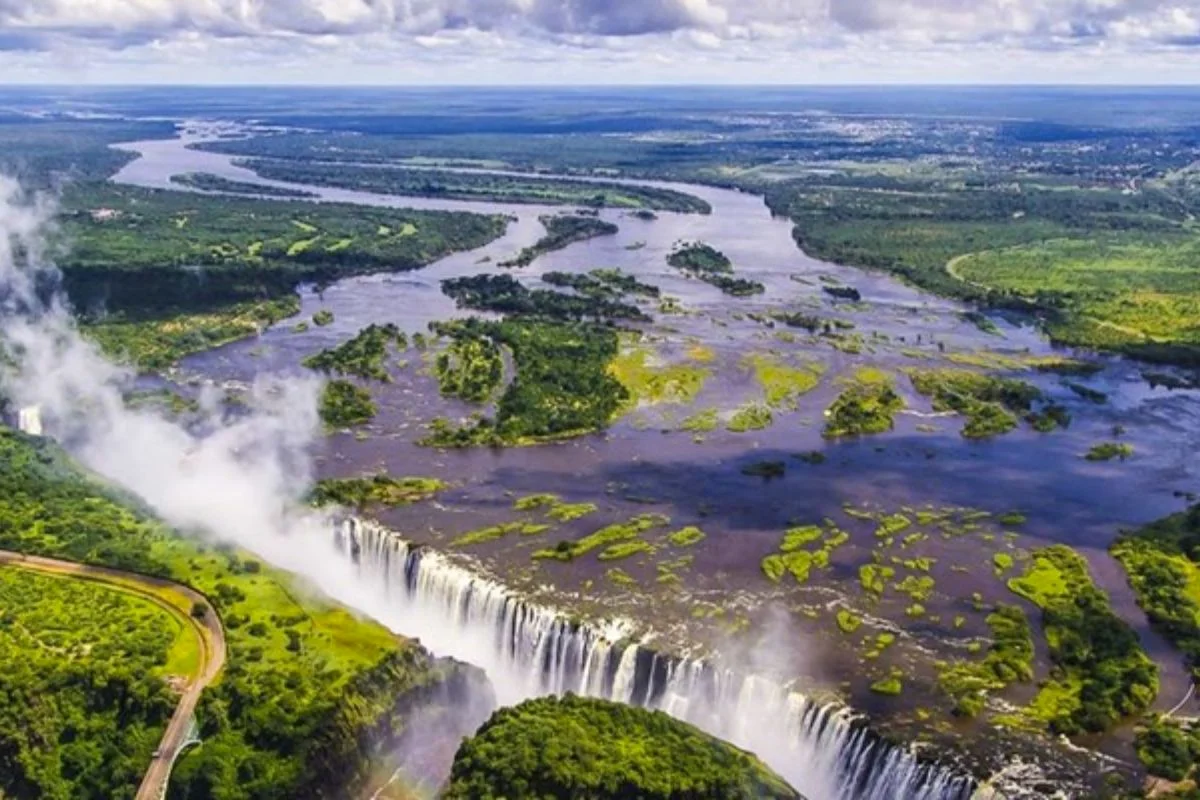
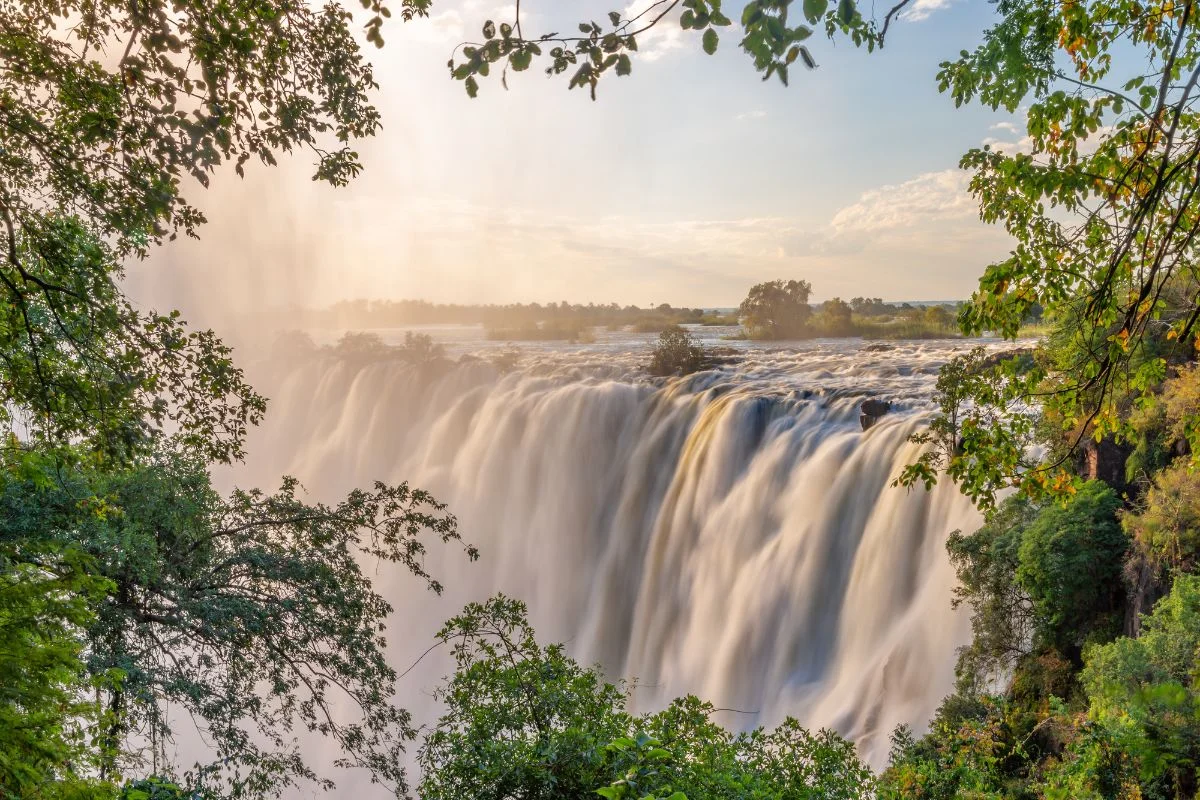
Victoria Falls, a few hours north, is lower in August after the peak April to June flow but still impressive and easier to photograph without the massive spray.
Hwange — best time to visit
| J | F | M | A | M | J | J | A | S | O | N | D | |
|---|---|---|---|---|---|---|---|---|---|---|---|---|
| High °C | 30° | 29° | 29° | 28° | 25° | 23° | 23° | 26° | 31° | 33° | 32° | 30° |
| High °F | 86° | 84° | 84° | 82° | 77° | 73° | 73° | 79° | 88° | 91° | 90° | 86° |
| Rain mm | 145 | 125 | 75 | 25 | 5 | 0 | 0 | 0 | 5 | 30 | 90 | 140 |
| Rating |
Hwange: Dry-season game viewing Jul–Oct is exceptional as wildlife concentrates at pumped waterholes.
Ideal — Peak conditions — dry, comfortable, prime wildlife or beach time.
Good — Great conditions with brief showers or warmer days; still highly recommended.
Shoulder — Mixed weather — fewer crowds and lower rates, occasional rain.
Avoid — Heaviest rain or roughest seas; many camps and roads can be affected.
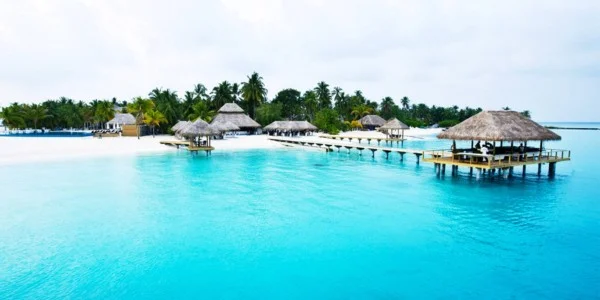
Seychelles Island Escape
Visit the jewel of the Indian Ocean with blue azure waters and white sandy beaches.
Plan My Safari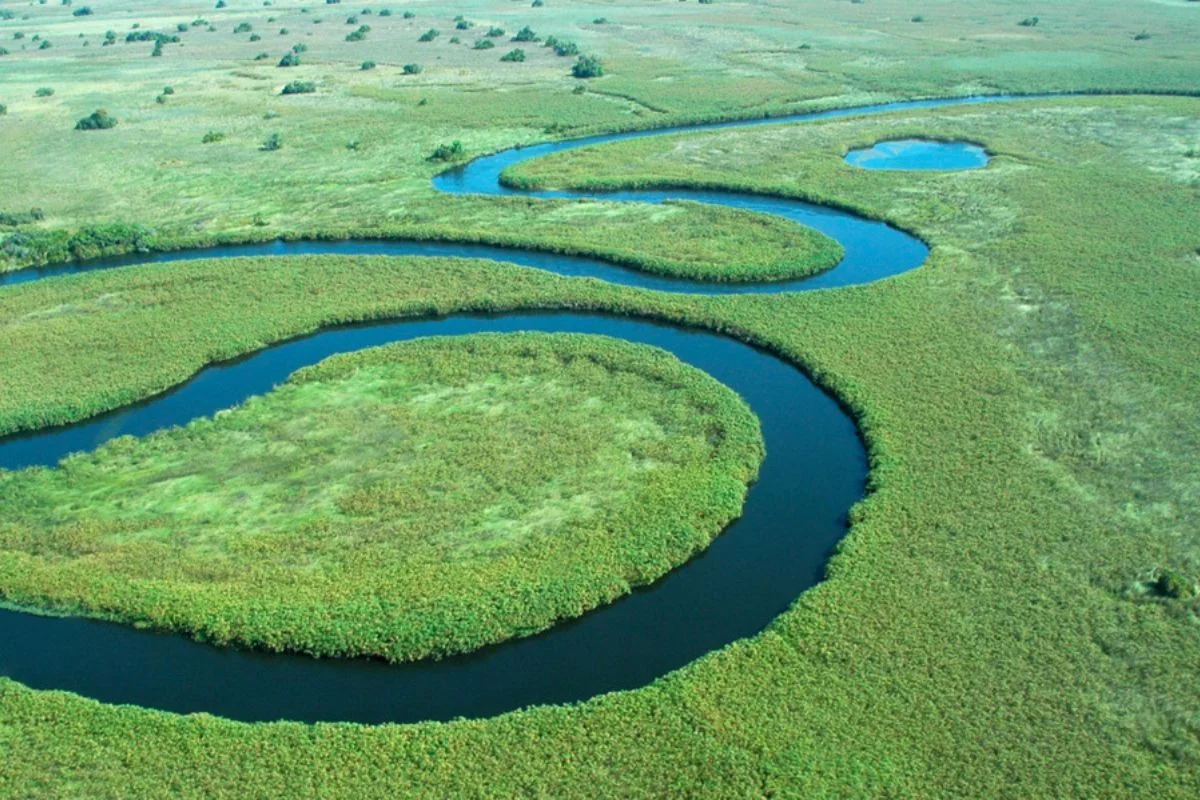
5. Botswana
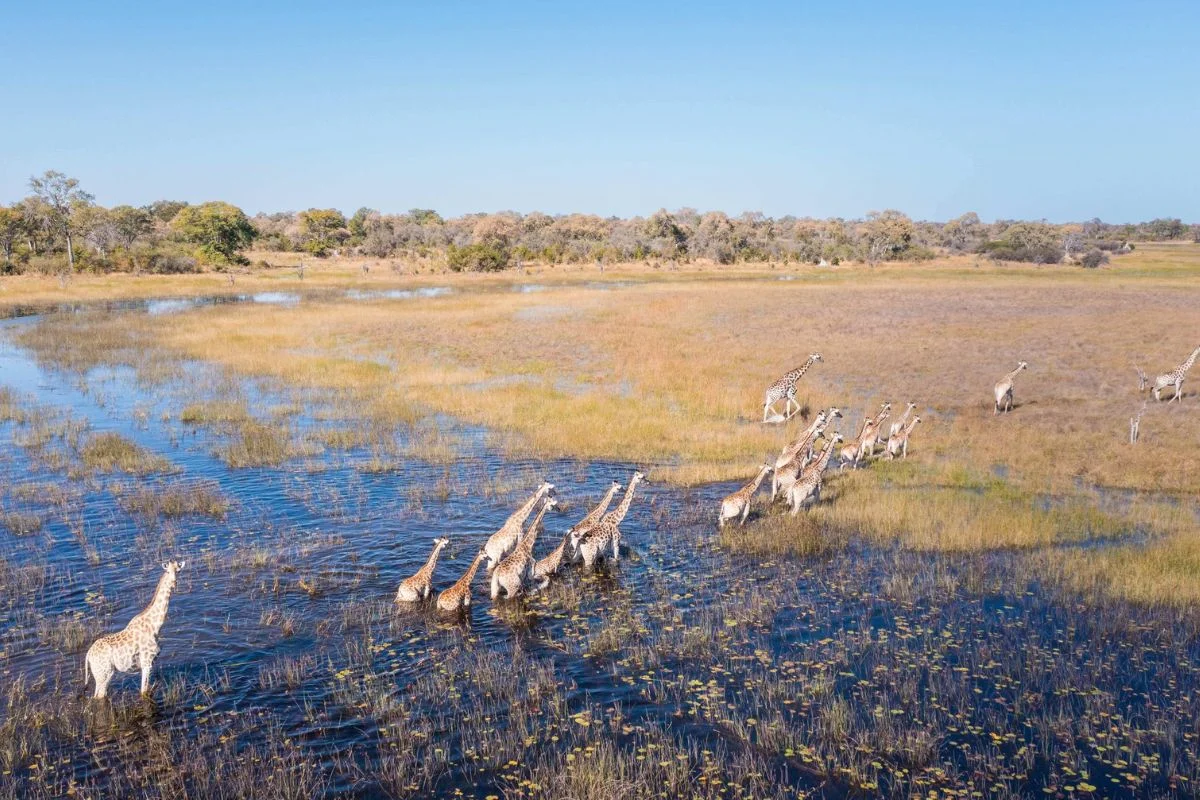
Botswana's Okavango Delta floods from May through September, fed by rains in Angola that take months to reach the delta. August sits near the peak of the flood.
Channels are full, and game concentrations are at their highest. Water-based activities, mokoro (dugout canoe) excursions, and boat safaris are the primary ways to explore.
On dry islands, walking safaris and game drives encounter elephant, lion, leopard, buffalo, wild dog and red lechwe antelope.
Chobe National Park, in Botswana's northeast, has massive elephant herds along the Chobe River. August is peak dry season; boat cruises along the river offer close encounters with elephants bathing and drinking. The Savuti and Linyanti areas, also in Chobe, concentrate predators, especially lion and hyena.
What should I budget for a Botswana safari in August?
Botswana is one of Africa's most expensive safari destinations, deliberately positioning itself as low-volume, high-value.
Expect to pay $800-$1,500 per person per night in mid-tier camps and $1,500-$2,500+ in luxury properties. Most lodges operate on an all-inclusive basis covering meals, drinks, activities and park fees. Fly-in safaris are standard; charter flights between camps cost $250-$400 per leg. A week-long Botswana safari typically runs $8,000-$15,000 per person, excluding international flights.
Travel costs in Okavango Delta
Botswana
Expect $800 to $2,500 per person per night in the Okavango Delta. Peak season runs June through October with 30% premiums.
| Tier | Per person / night | What you get |
|---|---|---|
| Standard Luxury | $800 - $1,200 | Classic tented camps with en-suite facilities, game drives, mokoro excursions, and three meals daily. |
| Premium Luxury | $1,200 - $1,800 | Private plunge pools, elevated decks, premium guiding, walking safaris, and curated wine pairings included. |
| Ultra-Luxury | $1,800 - $2,500 | Private islands, butler service, helicopter transfers, spa treatments, private vehicle options, and champagne experiences. |
What's included
- All meals and premium drinks
- Twice daily game drives
- Mokoro canoe excursions
- Walking safaris with guides
- Park and concession fees
What's not included
- International flights to Maun
- Visa fees for Botswana
- Travel and evacuation insurance
- Spa treatments and purchases
- Charter flight premium upgrades
6. Mozambique
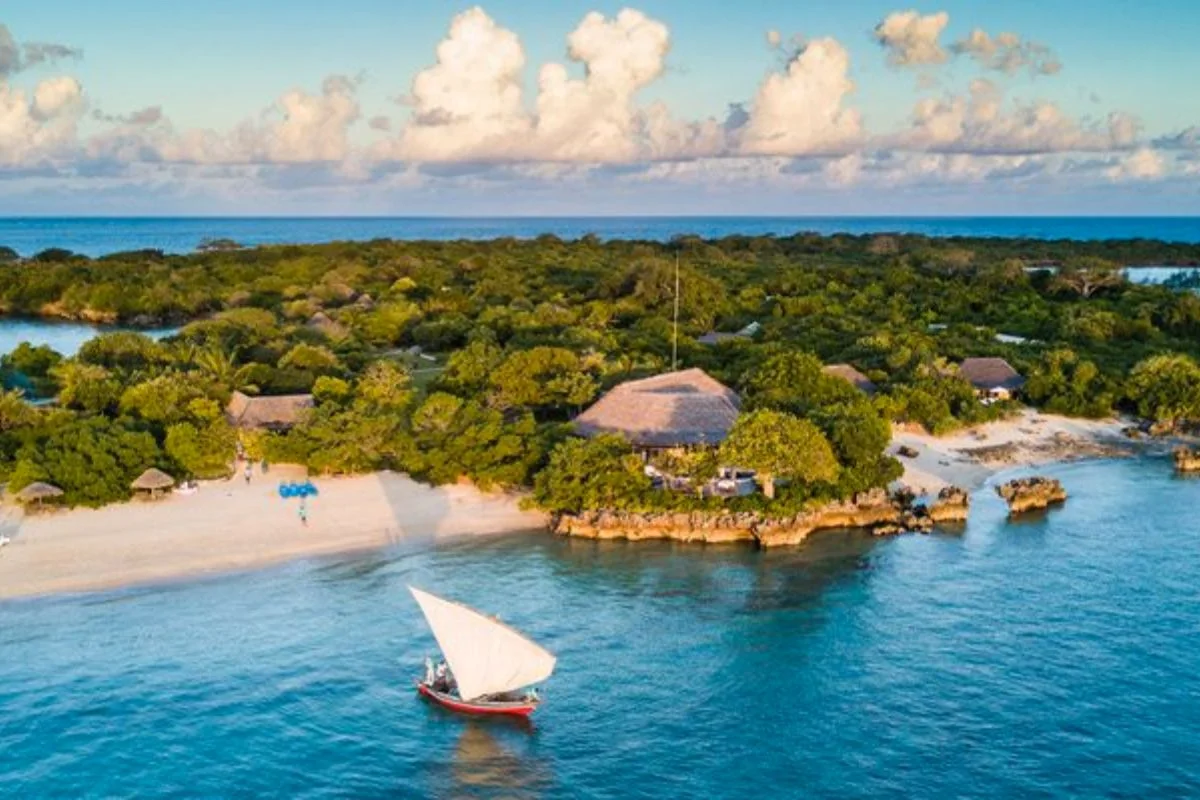
Mozambique's Indian Ocean coast offers warm, dry weather in August with daytime temperatures around 25-28°C.
The Bazaruto and Quirimbas archipelagos are ideal for post-safari beach extensions.
Diving and snorkelling conditions are good; water visibility is high, and whale shark sightings are possible off Tofo and Inhambane.
August is peak season for Mozambique's islands, so lodge availability is tight.
Combine a week in South Africa's Kruger or a Zambian walking safari with five days on a Mozambique beach. Direct flights from Johannesburg to Vilanculos (for Bazaruto) and Pemba (for Quirimbas) make logistics straightforward.
Bazaruto — best time to visit
| J | F | M | A | M | J | J | A | S | O | N | D | |
|---|---|---|---|---|---|---|---|---|---|---|---|---|
| High °C | 31° | 31° | 30° | 29° | 27° | 26° | 26° | 26° | 27° | 28° | 29° | 30° |
| High °F | 88° | 88° | 86° | 84° | 81° | 79° | 79° | 79° | 81° | 82° | 84° | 86° |
| Rain mm | 165 | 145 | 110 | 50 | 25 | 20 | 15 | 15 | 25 | 50 | 95 | 140 |
| Rating |
Bazaruto: Best diving and beach weather Apr–Nov; cyclone risk Jan–Mar.
Ideal — Peak conditions — dry, comfortable, prime wildlife or beach time.
Good — Great conditions with brief showers or warmer days; still highly recommended.
Shoulder — Mixed weather — fewer crowds and lower rates, occasional rain.
Avoid — Heaviest rain or roughest seas; many camps and roads can be affected.
7. Malawi
Malawi's Lake Malawi is warm year-round, and August offers clear, dry weather for beach and water activities. The lake's southern shores, around Cape Maclear and Mumbo Island, have snorkelling over cichlid reefs and kayaking in calm bays. Liwonde National Park, in southern Malawi, is a small but productive park for elephant, hippo, sable antelope and birdlife. August is the tail end of Malawi's dry season; September and October are hotter and drier, but August is more comfortable.
8. Tanzania
Tanzania's Serengeti National Park hosts the Great Migration year-round, but the herds' location shifts with the seasons.
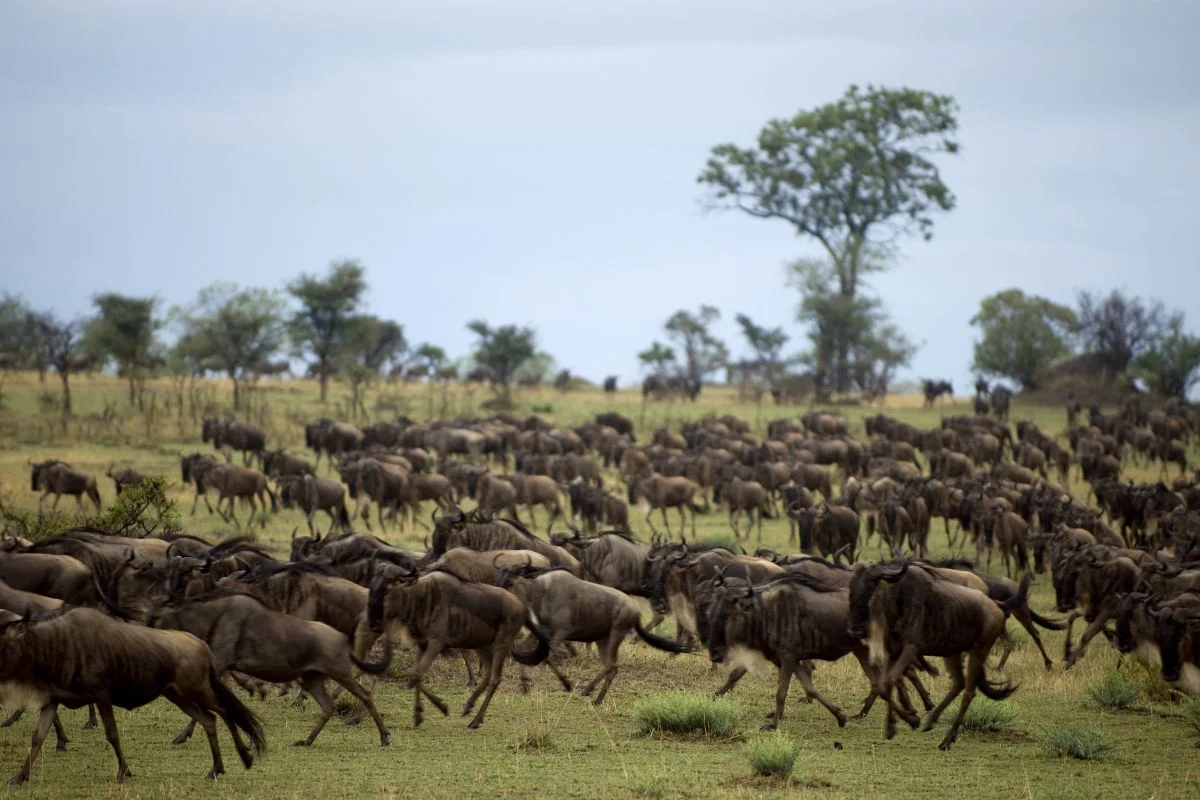
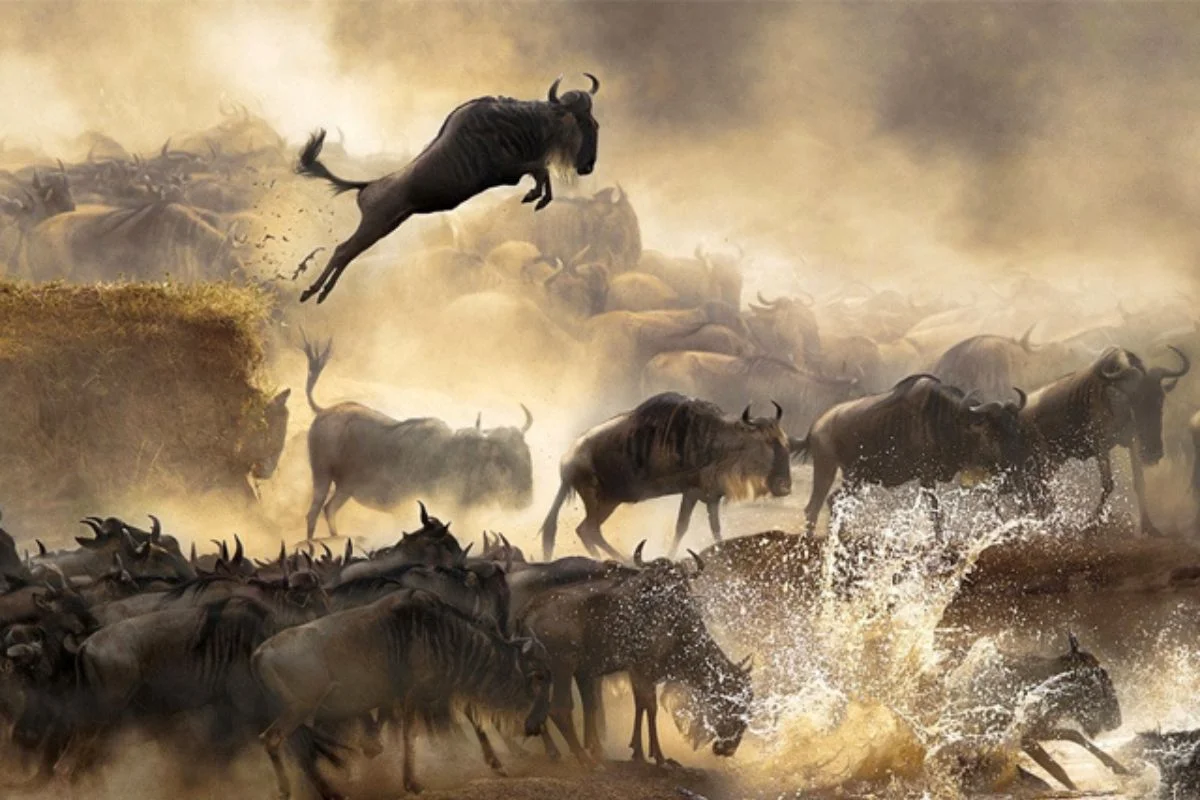
In August, the migration is in the northern Serengeti and Kenya's adjacent Masai Mara, where wildebeest and zebra cross the Mara River.
These crossings are dramatic; hundreds of animals plunge into crocodile-infested waters simultaneously. Timing is unpredictable; the herds move according to rain and grass, not a fixed schedule, but late July through September is the typical window.
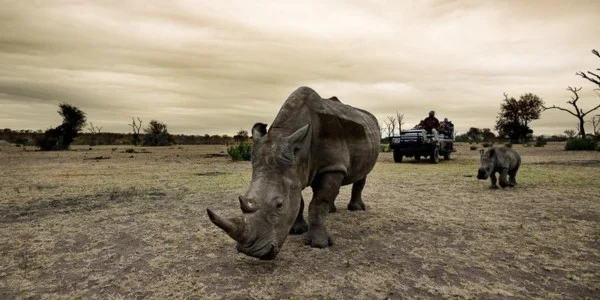
The Ngorongoro Crater offers year-round game viewing independent of the migration. August is cool and dry, with temperatures around 10-20°C. The crater floor concentrates black rhino, lion, elephant, buffalo and flamingo. Tarangire National Park, south of the Serengeti, sees large elephant herds in August as animals come to the Tarangire River.
Travel costs in Serengeti
Tanzania
Expect $650 to $2,500 per person per night in the Serengeti's luxury camps and lodges. Peak season drives prices 40% higher than low season.
| Tier | Per person / night | What you get |
|---|---|---|
| Standard Luxury | $650 - $950 | Permanent tented camps with en-suite bathrooms, quality guiding, full board, and twice daily game drives. |
| Premium Luxury | $1,000 - $1,600 | High-end camps featuring private decks, premium locations, bush dinners, spa services, and expert naturalist guides. |
| Ultra-Luxury | $1,700 - $2,500 | Exclusive mobile camps and elite lodges with private plunge pools, butler service, and flexible private guiding. |
What's included
- All meals and house beverages
- Twice daily shared game drives
- Serengeti National Park fees
- Light aircraft transfers within Tanzania
- Laundry service at most camps
What's not included
- International flights to Tanzania
- Premium imported spirits and champagne
- Hot air balloon safaris
- Gratuities for guides and staff
- Travel and medical insurance
9. Kenya
Kenya's Masai Mara is the northern extension of the Serengeti ecosystem and the stage for the Great Migration's river crossings from late July through August and into September.
The Mara River crossings are the migration's most famous spectacle. Wildebeest mass on the riverbanks, hesitate, then surge across in chaotic groups. Crocodiles wait in the current.
The Mara is extremely busy in August. Lodges and camps are fully booked months ahead, and vehicle congestion around crossings can be heavy.
Private conservancies bordering the reserve, such as Mara North, Olare Motorogi and Naboisho, offer lower vehicle density and exclusive traversing.
Amboseli National Park, at the foot of Mount Kilimanjaro, is also good in August for elephant herds with Kilimanjaro as a backdrop, though clouds often obscure the peak.
Travel costs in Masai Mara
Kenya
Masai Mara luxury safaris run $650 to $2,500 per person per night. Peak season July to October commands premium rates.
| Tier | Per person / night | What you get |
|---|---|---|
| Standard Luxury | $650 - $950 | Permanent tented camps with ensuite bathrooms, twice daily game drives, and communal dining under canvas. |
| Premium Luxury | $1,000 - $1,600 | Spacious suites with private decks, butler service, premium wine lists, bush dinners, and prime Mara territory. |
| Ultra-Luxury | $1,700 - $2,500 | Private conservancies, exclusive game viewing, personal guides and vehicles, champagne sundowners, and exceptional culinary programs. |
What's included
- All meals and premium beverages
- Twice daily game drives
- Park and conservancy fees
- Laundry service and Wi-Fi
- Airstrip transfers within Mara
What's not included
- International and Nairobi flights
- Hot air balloon safaris
- Champagne and premium spirits
- Masai village visits and tips
- Travel and evacuation insurance
10. Uganda, Rwanda and Congo
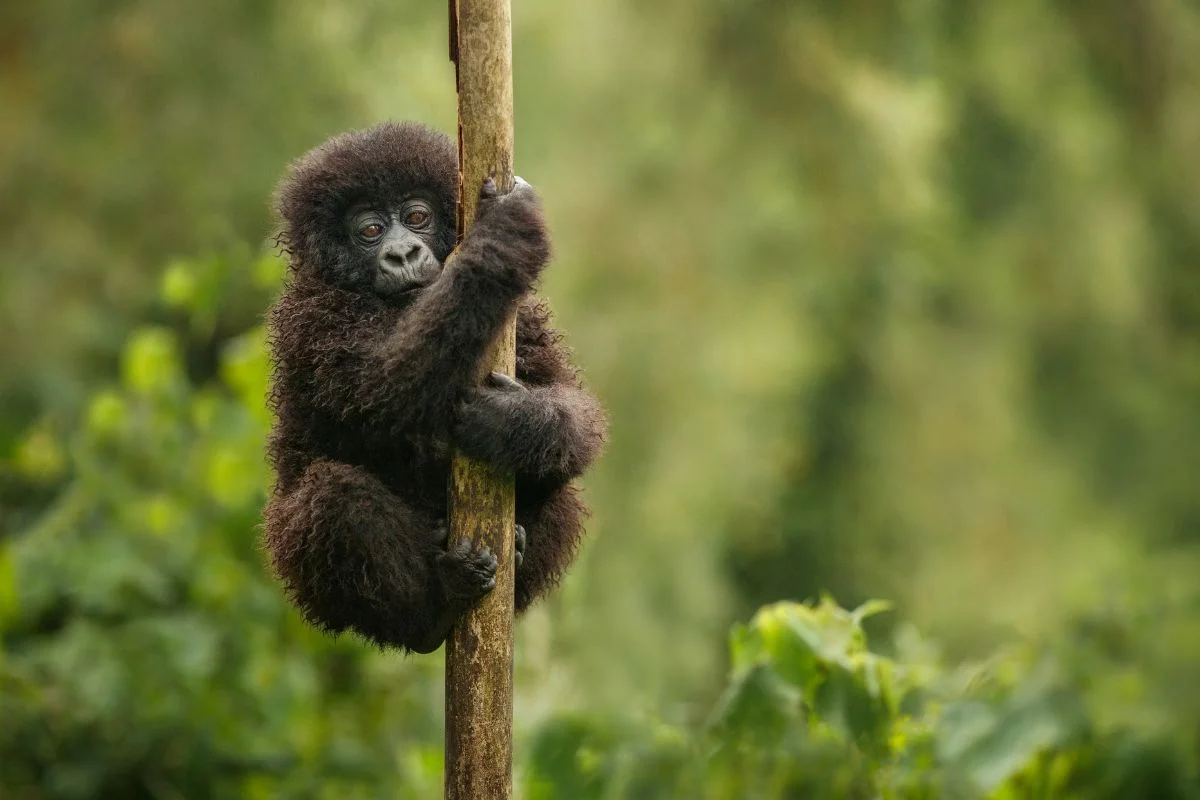
Gorilla trekking in Uganda's Bwindi Impenetrable Forest, Rwanda's Volcanoes National Park, and Congo's Virunga National Park is possible year-round, but August is one of the two dry seasons (the other is December to February).
Trails are less muddy, and conditions are more comfortable for the steep, multi-hour hikes required to reach gorilla families. Permits cost $700 in Uganda, $1,500 in Rwanda, and $400 in Congo (though Congo's security situation requires current assessment).
Uganda's Queen Elizabeth and Murchison Falls national parks offer classic savannah game viewing alongside gorilla trekking. August is dry and warm, around 25-30°C. Tree-climbing lions in Queen Elizabeth's Ishasha sector are a unique sighting.

Last updated: September 2026