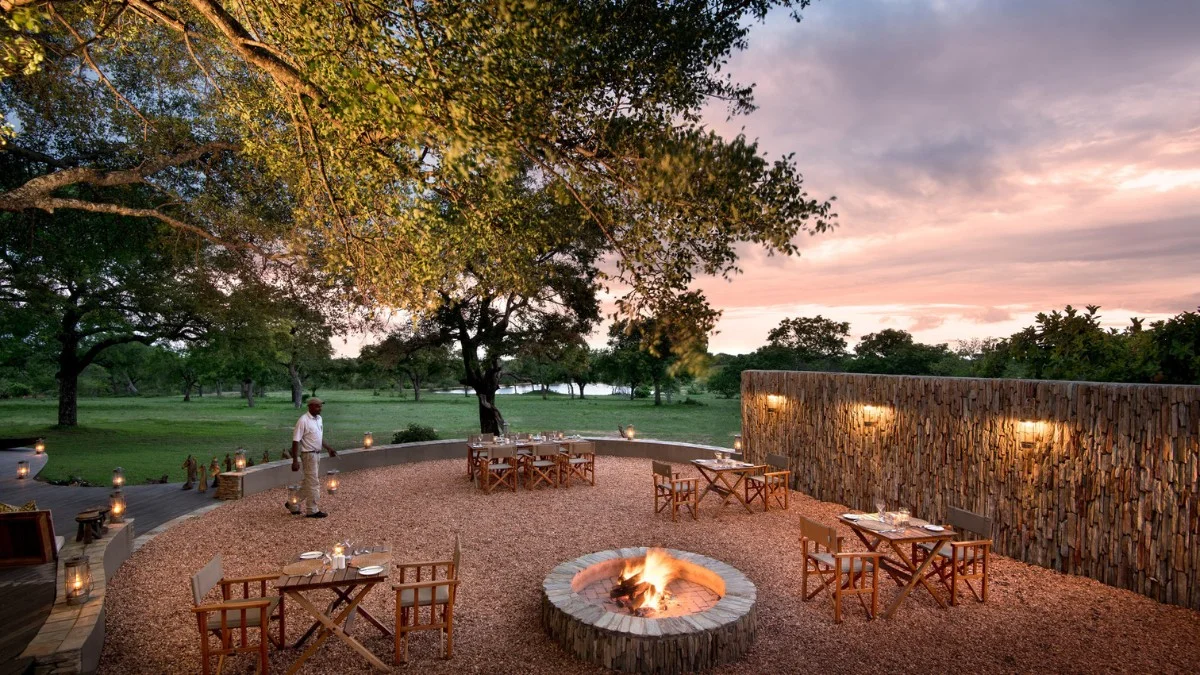

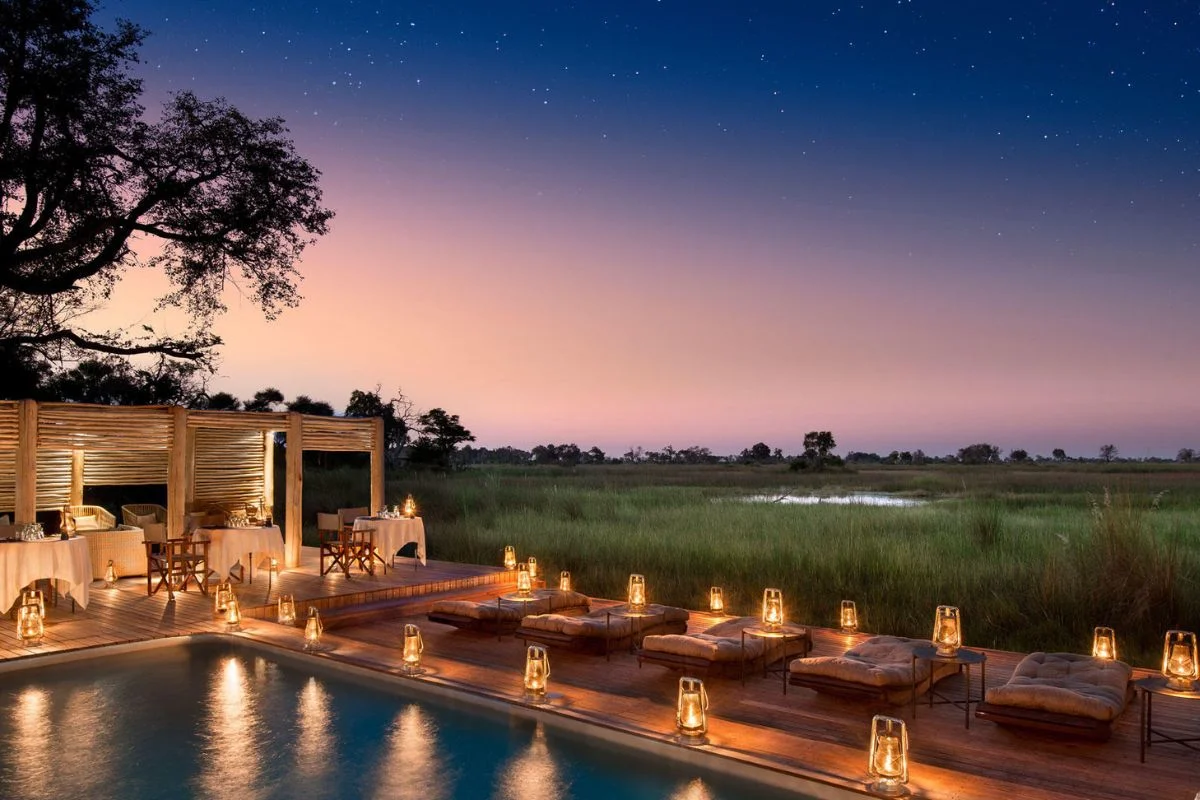
September is an extremely popular month to visit Africa due to the holidays in the US, and of course the wonderful sighting that is the Great Animal Migration in East Africa.
September is ideal for safaris in Kenya, Tanzania, Botswana, South Africa and Zambia. Wildlife concentrates around water sources, vegetation is sparse for easy viewing, and prices drop 15 to 30% below peak season. Weather is dry and warm across most safari regions, with minimal rain. Book migration viewing camps three to six months ahead.
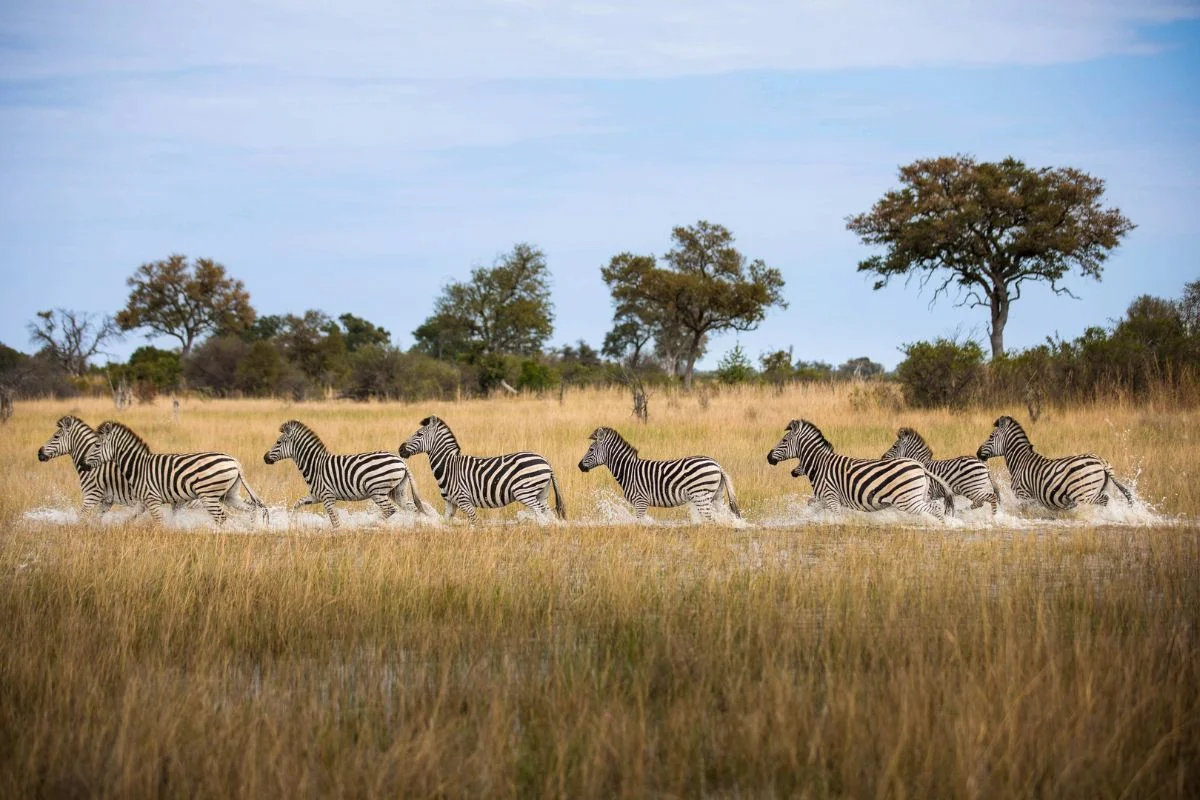

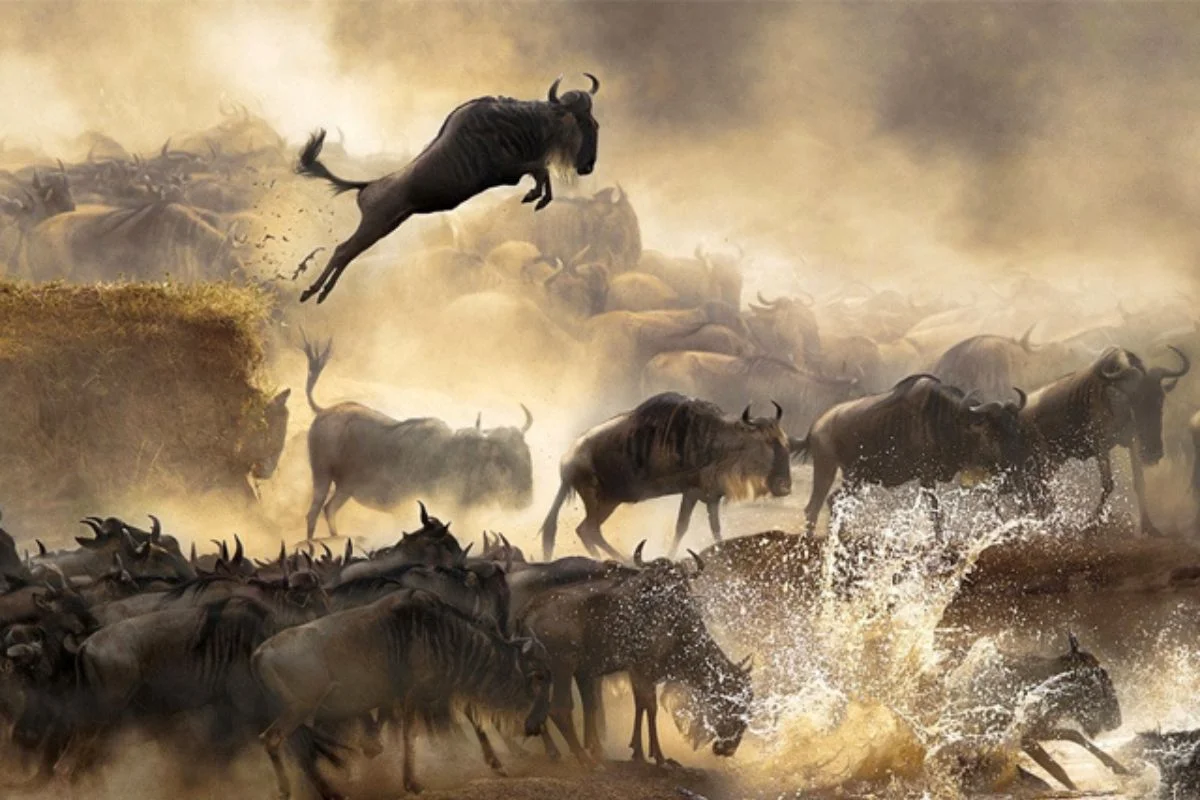
September is a wonderful month to see the Great Migration in East Africa with the Mara River crossing one of the most spectacular events in all of nature.
Key takeaways
September is prime safari season across East and Southern Africa, with dry weather and concentrated wildlife making for exceptional game viewing opportunities.
Due to the popularity of the month, advance bookings are recommended.
The Serengeti migration herds move into the northern woodlands, with excellent predator action at river crossings, making for a true spectacle to behold.
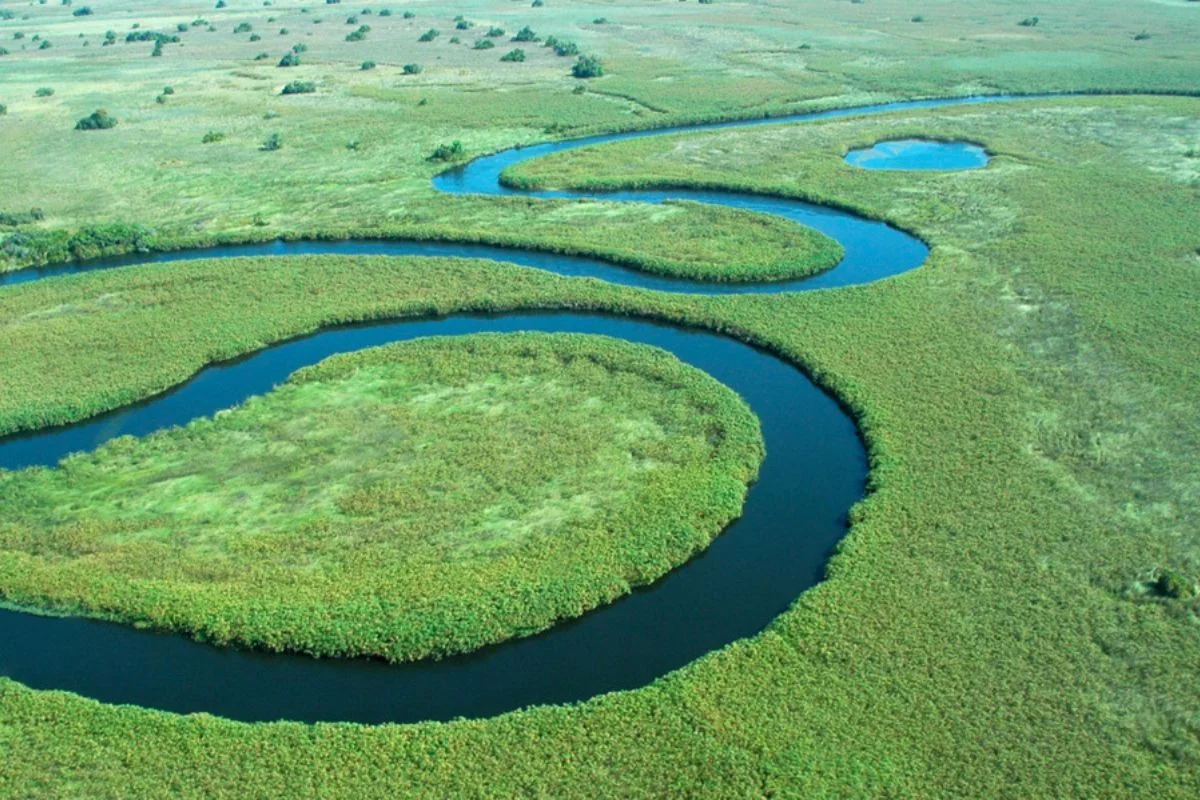
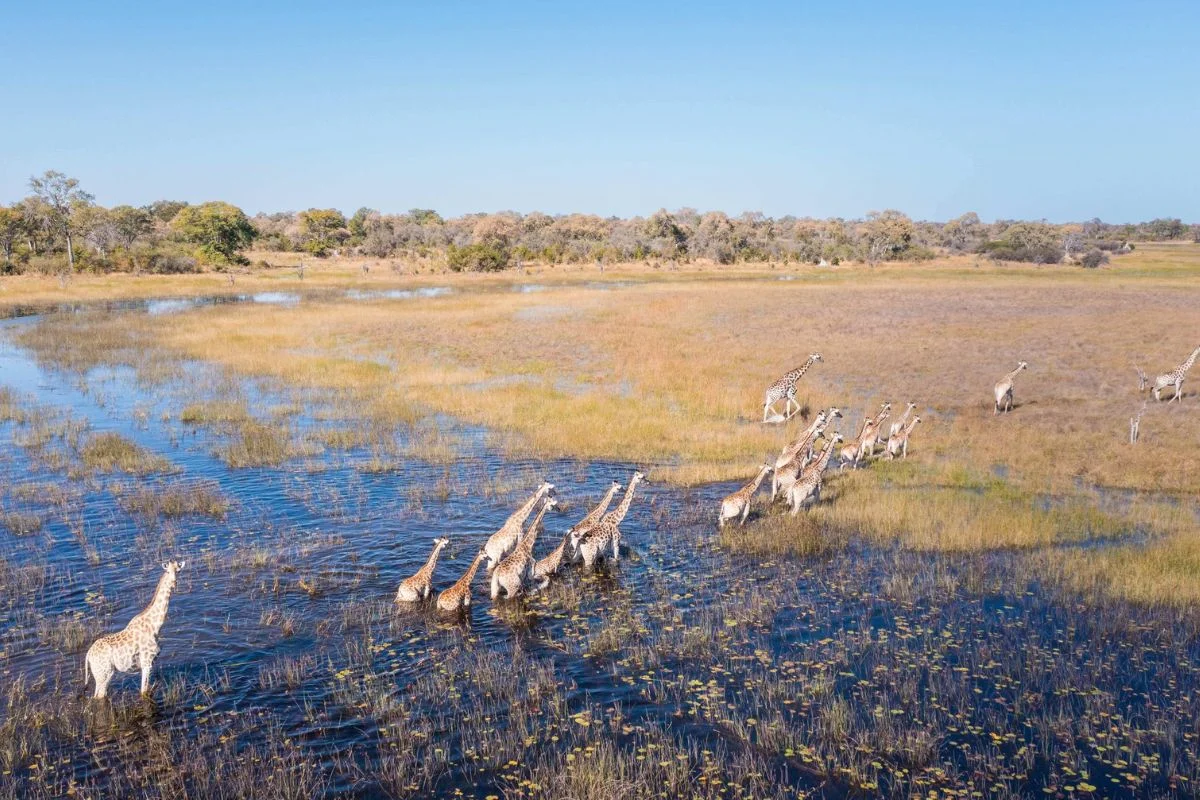
Botswana's Okavango Delta water levels peak, offering superb water-based game viewing and birdlife, as well as mokoro safaris. (dug out canoes)
Kruger National Park and private reserves offer guaranteed Big 5 sightings in comfortable 20 to 28°C temperatures, with all-inclusive packages.
Book specialist migration camps and popular lodges by April or May to secure space and lower rates.
Why September is excellent for safaris
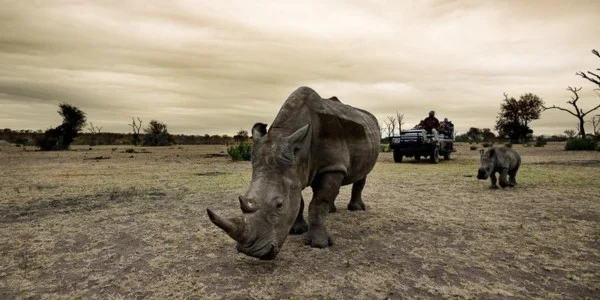
September extends the prime dry season across most of Africa and animals remain concentrated around permanent water, grass is short, and bush cover is minimal, making wildlife easy to spot.
Temperatures are warm but not oppressive, typically 18 to 28°C during the day, resulting in animals being more active than in the hot summer months. Rain is rare in East Africa, Botswana, Zambia and northern South Africa.
Visitor numbers drop after the July and August school holiday crush, so lodges are quieter and guides have more flexibility.
Pricing falls into shoulder season brackets at many properties, offering 15 to 30% savings compared to peak months. For travellers seeking excellent game viewing without peak crowds or peak pricing, September is hard to beat.
Is September better than August for safaris?
September offers comparable wildlife viewing to August with lower prices and fewer tourists. The main difference is availability: August books out six to nine months ahead, while September camps often have space booked three to four months out. Game viewing quality is nearly identical.
If you want value and a quieter experience, choose September. If school holidays dictate your dates, August is your only option.
Best destinations for a September safari
Kenya, Tanzania, Botswana, South Africa and Zambia all perform strongly in September. Each offers distinct experiences shaped by migration timing, water levels, and seasonal wildlife behaviour.
Kenya and Tanzania (Serengeti and Masai Mara)
The Serengeti migration herds occupy the northern woodlands and the Mara River crossing zones. Predator activity is high as lions, leopards and crocodiles hunt migrating wildebeest and zebra.
The Masai Mara sees large herds throughout September, making it one of the best months for migration safaris in Kenya. Weather is dry and warm, with daytime temperatures around 22 to 26°C. Expect to pay $600 to $1,200 per person per night at mid-range to luxury camps.
Botswana (Okavango Delta and Chobe)
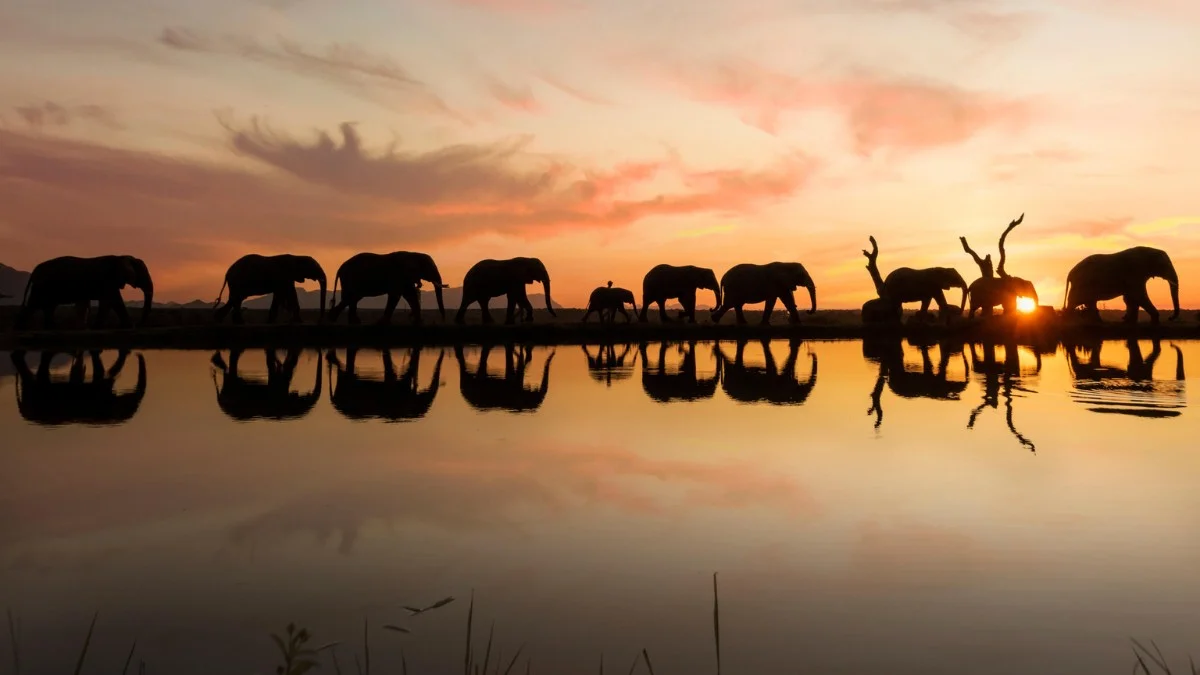
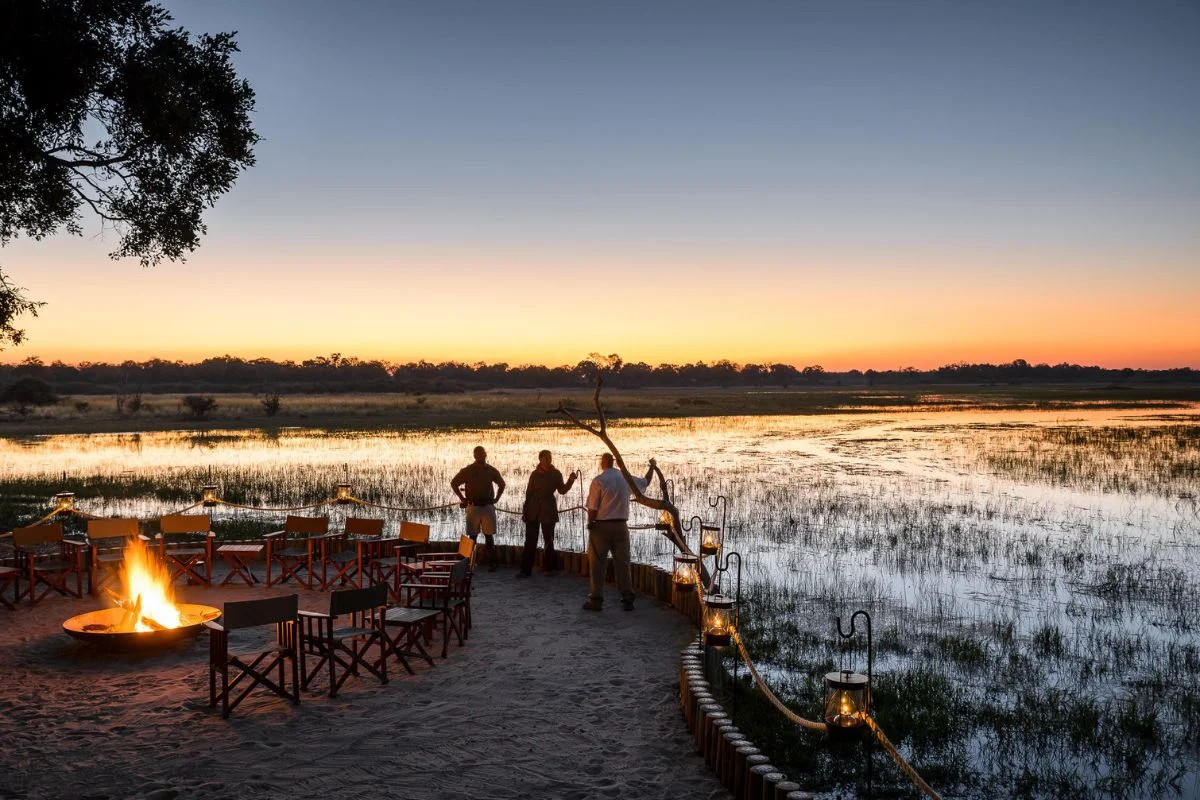
September sees peak flood levels in the Okavango Delta, creating superb conditions for mokoro (canoe) excursions and water-based game viewing. Elephants, buffalo and antelope concentrate on islands.
Chobe National Park has enormous elephant herds along the river. The weather is dry and warm, 20 to 30°C. Botswana is pricier than East Africa, with quality camps starting at $800 per person per night and ultra-luxury properties exceeding $1,500.
South Africa (Kruger and private reserves)
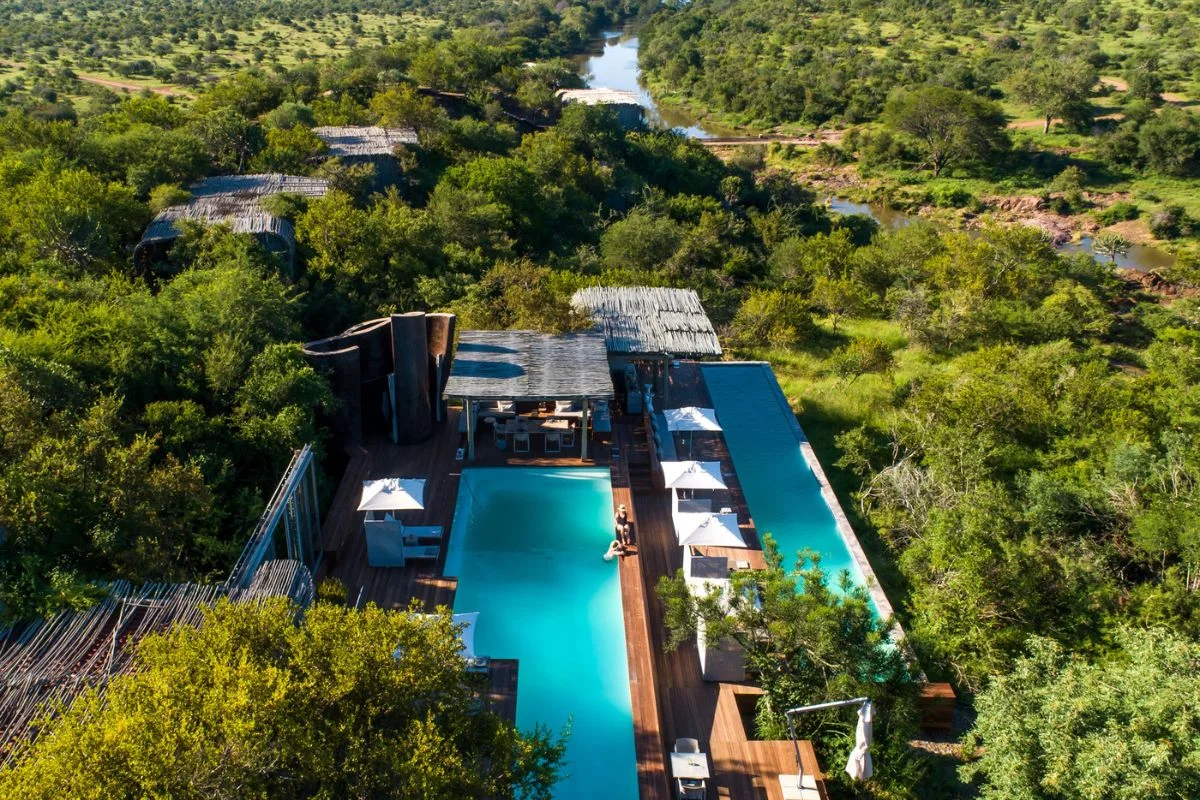
September is prime time in Kruger, Sabi Sands, Timbavati and other private reserves. Animals gather at waterholes, bush is sparse, and Big 5 sightings are near-guaranteed.
Temperatures range from 18 to 28°C, comfortable for morning and afternoon drives. Lodges in private reserves cost $500 to $1,200 per person per night all-inclusive. Kruger self-drive parks are far cheaper, with accommodation from $80 to $300 per night.
Zambia (South Luangwa and Lower Zambezi)
Zambia's parks are superb in September. South Luangwa offers excellent walking safaris and concentrated predator activity. Lower Zambezi combines river-based game viewing with classic drives. Weather is hot and dry, 25 to 35°C. Expect $600 to $1,000 per person per night at quality lodges. Zambia is quieter than Kenya or Botswana, appealing to travellers seeking a more remote experience.
Weather and what to pack
September weather across safari regions is dry, warm and stable. Rain is unlikely in East Africa, Botswana and Zambia. South Africa may see occasional spring showers, but they rarely disrupt game drives.
Pack layers for cool early mornings (10 to 15°C) and warm afternoons (25 to 30°C). Neutral-coloured clothing in lightweight fabrics is standard. Bring a fleece or light jacket for open vehicle drives at dawn, a wide-brimmed hat, sunglasses, and high-SPF sunscreen. Insect repellent is essential in all regions. Binoculars improve game viewing significantly.
Do I need malaria prophylaxis for a September safari?
Yes, if visiting Kenya, Tanzania, Botswana, Zambia or Kruger lowveld regions. September is the dry season, so mosquito activity is lower than in wet months, but malaria risk remains year-round in most safari areas.
Consult a travel health clinic six to eight weeks before departure. Prophylaxis options include atovaquone-proguanil (Malarone), doxycycline, or mefloquine. South Africa's malaria-free reserves like Madikwe and some Eastern Cape parks do not require prophylaxis.
Visit Cape Town
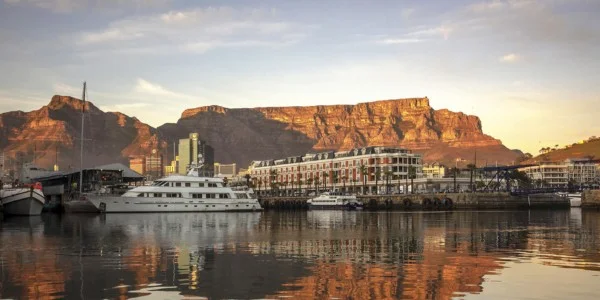
Visit the number one rated city in the world with 8 blue flag beaches, swimming with penguins and so much more
Plan My SafariMigration safaris in September
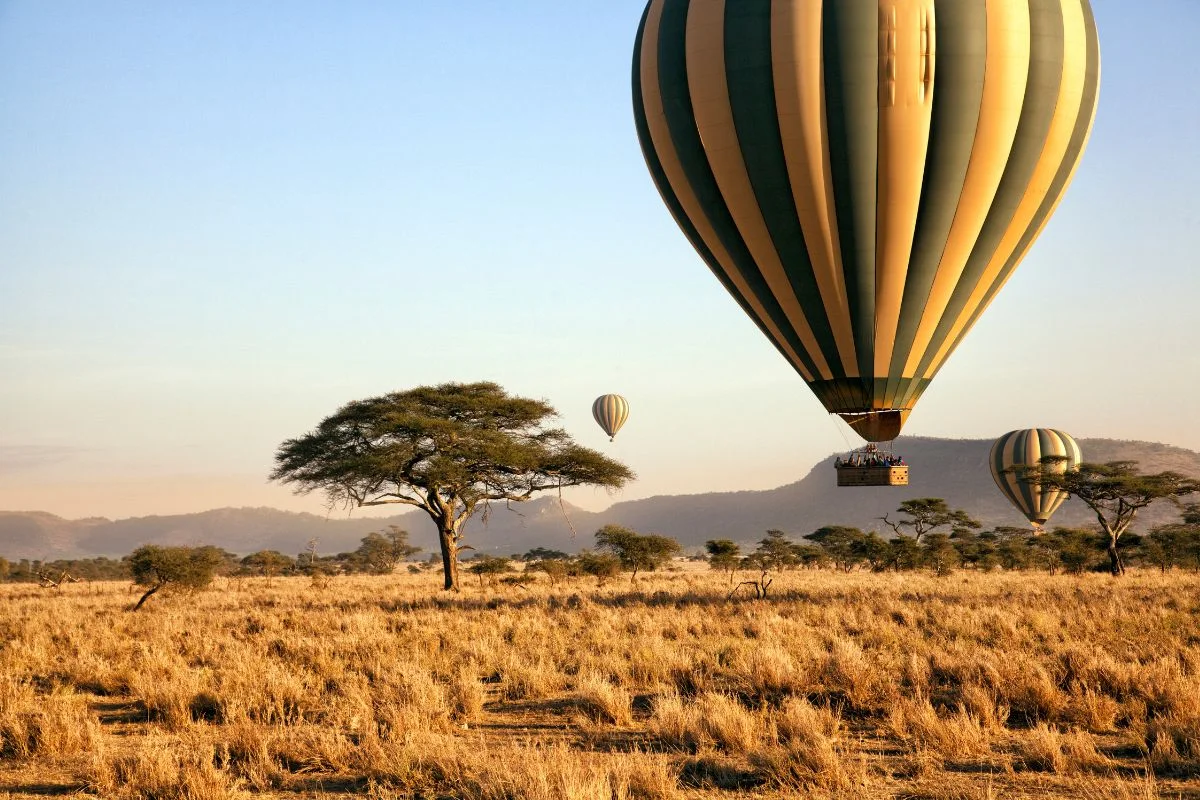
September is peak migration month in the northern Serengeti and Masai Mara. Herds concentrate along the Mara River, attempting crossings where crocodiles wait.
The spectacle is dramatic and unpredictable. Timing a crossing requires flexibility: mobile camps and lodges near crossing points offer the best odds. Book these properties by April or May, as they fill early.
In the Masai Mara, herds are widespread across the reserve, not just at the river. General game viewing is excellent throughout September. In the Serengeti, the herds move between Kogatende and Lamai Wedge in the far north.
Specialist camps like Singita Mara River Tented Camp, Ubuntu Migration Camp and Serengeti Safari Camp position guests close to the action. Expect $800 to $1,800 per person per night at these properties.
Costs and budgeting for September
September sits in shoulder season for many lodges, offering 15 to 30% discounts compared to July and August. A mid-range safari (comfortable tented camps, good guiding, all meals and activities included) typically costs $500 to $800 per person per night.
Luxury properties range from $800 to $1,500. Ultra-luxury camps and private-use villas exceed $1,500. Budget camping safaris in national parks with basic accommodation and shared vehicles start around $200 to $350 per person per night.
A ten-day safari including two to three destinations, internal flights, park fees, and all accommodation usually totals $8,000 to $15,000 per person.
Add international flights ($800 to $1,500 from Europe or North America), travel insurance, tips, and discretionary spending. Booking three to six months ahead secures better availability and sometimes early booking discounts of 10 to 15%.
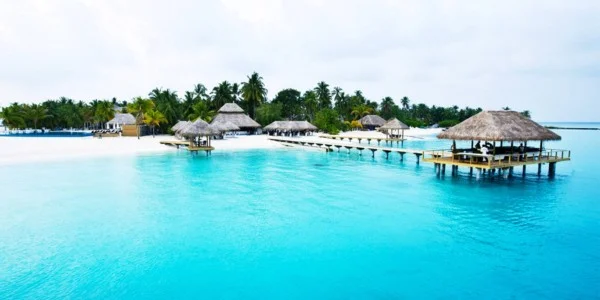
Seychelles Island Escape
Visit the jewel of the Indian Ocean with blue azure waters and white sandy beaches.
Plan My SafariBooking and planning tips
September is less frantic than peak season, but popular camps still fill by May or June. Start planning four to six months ahead. Work with a specialist operator who knows current conditions, lodge standards, and which camps are best positioned for migration viewing or general game drives. Flexible itineraries perform better than rigid plans, especially for migration safaris where herd movements vary week to week.
Confirm all malaria prophylaxis, vaccinations (hepatitis A, typhoid, yellow fever where required), and visa requirements eight weeks before departure. Most countries offer e-visas. Kenya, Tanzania and South Africa allow online applications; processing takes one to three weeks. Travel insurance covering medical evacuation is essential.
Last updated: September 2026